Rajasthan Weather: राजस्थान में फिर से पश्चिमी विक्षोभ की एंट्री, इन 5 संभागों में बारिश का अलर्ट जारी
By NewsDose Team
Updated on January 30, 2026
5 min read
Key takeaways
Rajasthan Weather Today: मौसम केंद्र जयपुर के अनुसार 31 जनवरी व 1 फरवरी को पुनः राज्य के उत्तरी व पूर्वी भागों में नए पश्चिमी विक्षोभ सक्रिय होगा. जिसके चलते अजमेर, कोटा, जयपुर, भरतपुर संभाग व शेखावाटी क्षेत्र के जिले शामिल है.
JAIPUR, Rajasthan – As the calendar turned from January into early February 2026, Rajasthan experienced a significant shift in its weather patterns, marked by intense cold waves and a series of atmospheric disturbances. Following earlier spells of rain and hailstorms, the state plunged into a renewed period of severe winter conditions, impacting daily life across numerous regions.
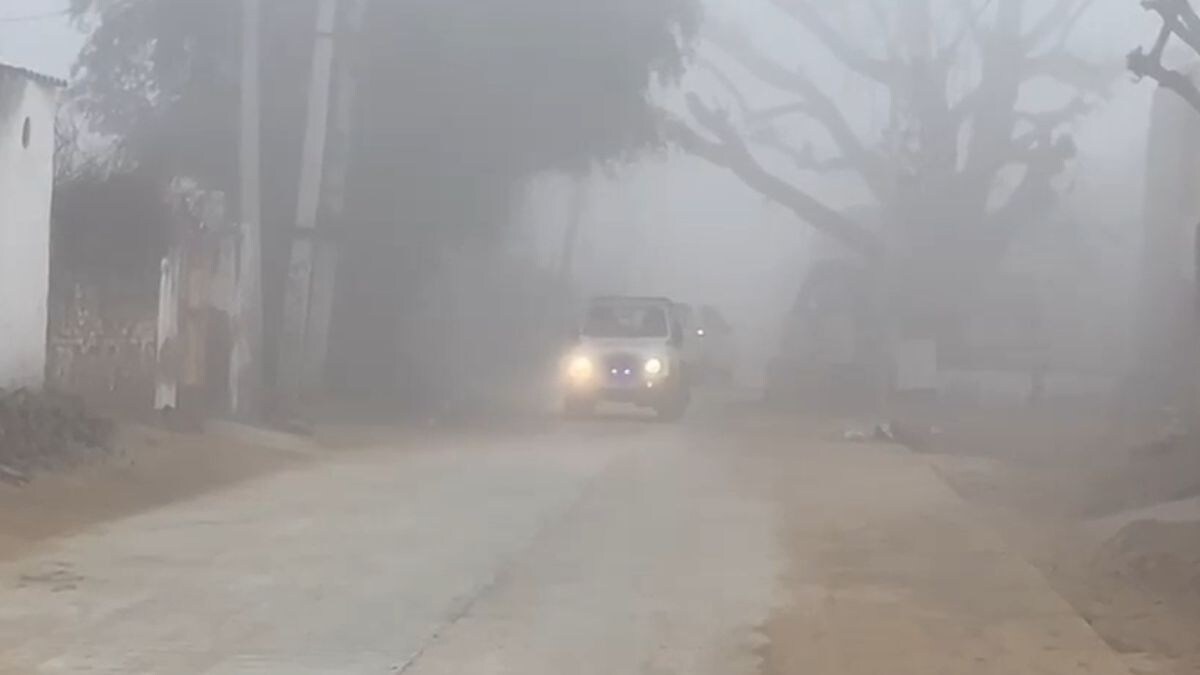
The final days of January witnessed widespread dense fog, particularly on Thursday mornings, significantly reducing visibility and contributing to the prevailing chill. Meteorological observations for the preceding twenty-four hours consistently indicated predominantly dry weather across the state, punctuated by patches of moderate to dense fog and persistent cold wave phenomena. Several areas registered 'cold day' conditions, a testament to the harsh dip in temperatures.
A notable factor influencing this climatic shift was the activation of a new Western Disturbance. This system, which became active over the northern and eastern parts of Rajasthan around January 31st and February 1st, brought with it a renewed potential for precipitation and significant atmospheric changes. Districts falling under the Ajmer, Kota, Jaipur, and Bharatpur divisions, alongside the Shekhawati region, were identified as being particularly susceptible to its effects.
According to reports from the meteorological department at the time, the spell of dense fog and severe cold was anticipated to persist. While maximum temperatures were observed to reach up to 25.6 degrees Celsius in Barmer, the hill station of Mount Abu recorded the state’s lowest minimum temperature at 3.3 degrees Celsius. The forecast for the subsequent days indicated continued cold conditions, accompanied by light to moderate fog and partially cloudy skies.
The impact of the robust Western Disturbance that intensified between January 31st and February 2nd was particularly felt across eastern and northern Rajasthan. This system brought with it a strong likelihood of thunderstorms and rainfall in several areas. On January 31st, regions including Ajmer, Kota, Jaipur, Bharatpur divisions, and the Shekhawati area experienced light to moderate rainfall coupled with thunder and lightning. This trend of light to moderate rain and 'mawath' (winter rainfall) continued into February 1st and 2nd across the northern and eastern parts of the state, specifically affecting the Ajmer, Kota, Jaipur, and Bharatpur divisions. In contrast, most parts of the Jodhpur and Bikaner divisions largely remained dry during this period.
Detailed temperature readings from major districts during this cold spell underscored the widespread chill. Key minimum temperatures included:
- Ajmer: 9.2°C
- Bhilwara: 8.2°C
- Alwar: 5.2°C
- Jaipur: 8.5°C
- Pilani: 6.0°C
- Sikar: 6.0°C
- Kota: 10.0°C
- Chittorgarh: 8.6°C
- Barmer: 10.2°C
- Jaisalmer: 8.9°C
- Jodhpur: 10.3°C
- Mount Abu: 3.3°C
- Bikaner: 9.6°C
- Churu: 7.0°C
- Sri Ganganagar: 7.3°C
- Anta Baran: 9.8°C
- Dungarpur: 13.4°C
- Jalore: 7.5°C
- Sirohi: 4.7°C
- Fatehpur (Sikar): 4.4°C
- Karauli: 8.6°C
- Dausa: 6.3°C
- Jhunjhunu: 5.7°C
The progression of these weather systems in late January and early February 2026 highlighted the dynamic nature of Rajasthan's winter, characterized by significant temperature fluctuations, pervasive fog, and crucial winter rainfall events brought about by Western Disturbances, influencing agricultural practices and daily life across the state.
You Might Also Like

More in India
- "CBSE 10th Result 2026: Mid-April Release Expected Earlier"
- "महावीर जयंती 2026: 10 शिकवणी, शांती-यशाचा मार्ग उघडतील"
- "RBSE Class 12 Results 2026: Check Scores Fast, Avoid Website Crash"
- "Noida Airport: How It Solves Fog Delays & Long Check-In Lines"
- "CBSE 10th, 12th Results 2026: Expect April for Class 10?"
