This State Is Known As The 'Bread Basket Of India.' Here's Why
By NewsDose Team
Updated on January 30, 2026
5 min read
Key takeaways
Indias most iconic comfort foods begin their journey in one states fertile plains - a place that transformed the nations plate.
India's profound relationship with food transcends the bustling markets, the vibrant thalis, or even the family kitchens. Its very essence is sown in the sprawling stretches of farmland that silently nourish the nation's colossal food needs. Every morsel of roti, every flaky paratha, and every comforting bowl of rice carries a story, a narrative deeply rooted in the soil – soil that has sustained generations, influenced vast migration patterns, sculpted distinctive regional cuisines, and steadfastly bolstered India's food security for decades.
While numerous states contribute significantly to the country's agricultural mosaic, some specializing in specific bumper crops and others diversifying to meet localized demands, one state consistently distinguishes itself. It stands apart for its historic and undeniable contribution to India's central grain reserves, its transformative journey during the seminal Green Revolution, and its long-standing, well-earned reputation for feeding millions across the subcontinent. For generations, this remarkable state has remained an indispensable cornerstone of India's agricultural narrative, proudly earning a moniker intrinsically linked to its fertile fields and diligent farmers.
Punjab: The Unrivalled 'Bread Basket of India'
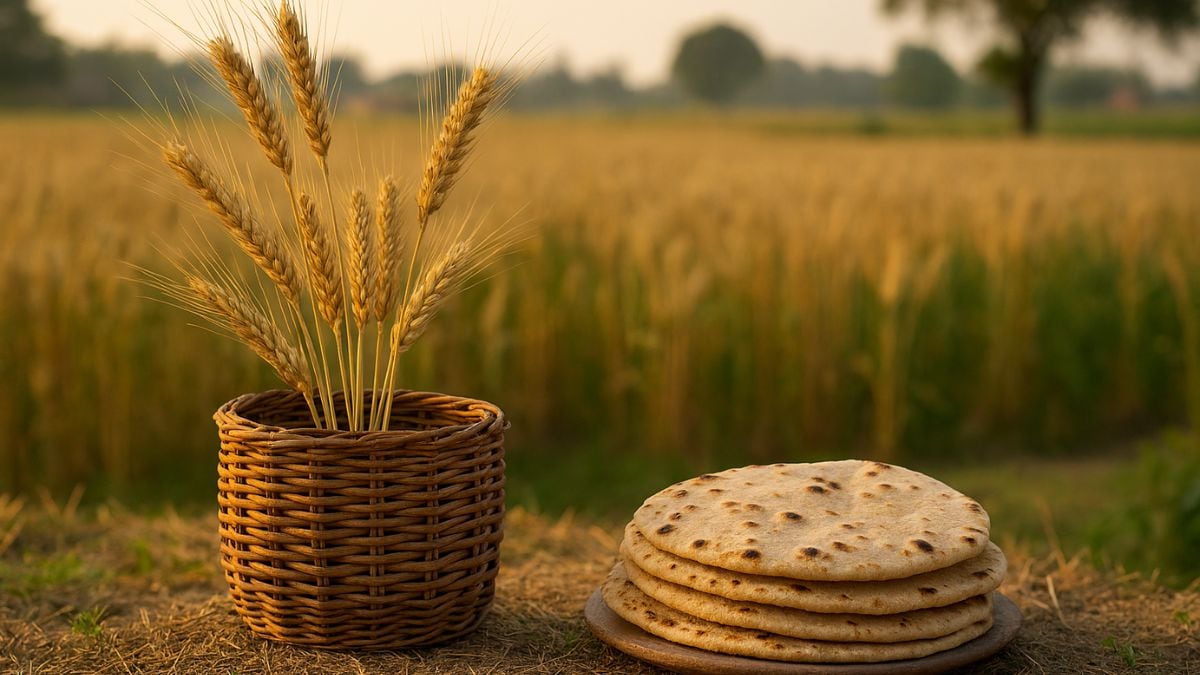
Punjab proudly carries the distinguished title of the 'Bread Basket of India', a recognition primarily stemming from its exceptionally high and consistent production of wheat and rice. These two staple grains form the fundamental bedrock of Indian meals, nourishing a significant portion of the population daily. Despite its relatively modest geographical footprint compared to other larger states, Punjab consistently contributes an extraordinary share of wheat and rice to the central food grain reserves. This robust supply is then strategically distributed to states across the entire nation through the crucial Public Distribution System (PDS), ensuring food security even in remote corners.
What Makes Punjab India's Agricultural Powerhouse?
Several critical factors converge to solidify Punjab's preeminent position as India's premier bread basket:
- Fertile Alluvial Soil: The state is blessed with incredibly rich and fertile alluvial soil, a precious gift from its life-giving river systems, including the mighty Sutlej, the meandering Beas, and the Ravi. These rivers deposit nutrient-rich silt, creating an ideal environment for intensive cultivation.
- Extensive Irrigation Infrastructure: Punjab boasts one of the most sophisticated and widespread irrigation networks in the country. A vast system of canals, complemented by numerous tube wells, ensures that crops receive adequate water even during drier seasons, mitigating dependency on erratic monsoon patterns.
- Pioneering High-Yield Farming Practices: The state was at the forefront of adopting modern agricultural techniques, particularly during the transformative Green Revolution. Farmers embraced high-yielding crop varieties and advanced agronomic practices, significantly boosting productivity per acre.
- Generational Farmer Expertise: The deep knowledge of farming, meticulously honed and perfected over centuries, is a living tradition passed down through generations of Punjabi farmers. Their unparalleled skill and resilience are instrumental in maximizing yields and adapting to changing agricultural landscapes.
The Green Revolution of the 1960s and 70s marked a pivotal turning point for India, and Punjab emerged as its undisputed leader. By enthusiastically adopting scientific farming methods and improved crop genetics, Punjab spearheaded a national movement that transformed India from a food-deficient nation heavily reliant on imports into a self-sufficient agricultural powerhouse.
Key Crops That Define Punjab's Agricultural Identity
Punjab's esteemed 'bread basket' status is overwhelmingly attributed to its formidable output of a few primary grains:
- Wheat: The state is consistently one of India's largest, if not the largest, producer of wheat. Its golden fields during harvest season are a testament to its contribution to the nation's dietary staples.
- Rice (Paddy): Cultivated extensively, particularly through transplanting paddy, rice from Punjab is critically important for bolstering national food stocks and ensuring widespread availability.
- Maize, Barley, and Pulses: While wheat and rice dominate, the state also cultivates significant quantities of maize, barley, and various pulses, contributing to dietary diversity and fodder needs.
These grains are not merely commodities; they are the fundamental ingredients that eventually transform into the everyday sustenance found on dining tables across India – from the humble rotis and elaborate parathas to an array of comforting rice-based meals.
A Food Culture Rooted in Grain Abundance
The agricultural richness of Punjab is unmistakably mirrored in its vibrant and hearty food culture. Wheat-centric meals form the very core of local cuisine, creating a gastronomic experience that is both robust and deeply satisfying. Iconic dishes include:
- Makki di Roti: A traditional flatbread made from cornmeal, often savored with Sarson da Saag (mustard greens curry).
- Phulkas and Tandoori Rotis: Everyday wheat-based flatbreads, with tandoori rotis cooked in a traditional clay oven, forming a staple accompaniment to most meals.
- Parathas: Flaky, griddle-fried flatbreads, often stuffed with various fillings and generously slathered with homemade ghee.
The sheer abundance of grain has fostered a food culture that is hearty, nourishing, and intrinsically connected to the land and the toil of its farmers.
Is Punjab the Sole 'Bread Basket' of India?
While Punjab is undoubtedly the most widely recognized and celebrated 'Bread Basket of India', it is important to acknowledge that other states, such as neighboring Haryana and parts of western Uttar Pradesh, also play immensely significant roles in national grain production. However, Punjab's historical impact, its consistent and staggering productivity levels, and its unparalleled contribution to the national food reserves collectively grant it a unique and universally accepted identity that remains distinct.
Punjab's role as the 'Bread Basket of India' extends far beyond mere agricultural statistics. It embodies decades of relentless innovation in farming practices, showcases the unwavering resilience of its farming communities, and epitomizes the profound, symbiotic connection between the land and the sustenance it provides. Every single loaf of bread, every comforting roti, or every satisfying bowl of rice consumed across the diverse landscape of India traces its roots back to fields like these – making Punjab an utterly indispensable and foundational chapter in India's enduring food story.
You Might Also Like

More in India
- "CBSE 10th Result 2026: Mid-April Release Expected Earlier"
- "महावीर जयंती 2026: 10 शिकवणी, शांती-यशाचा मार्ग उघडतील"
- "RBSE Class 12 Results 2026: Check Scores Fast, Avoid Website Crash"
- "Noida Airport: How It Solves Fog Delays & Long Check-In Lines"
- "CBSE 10th, 12th Results 2026: Expect April for Class 10?"
