How Parle-G Became India's Most Loved Biscuit
By NewsDose Team
Updated on February 15, 2026
5 min read
Key takeaways
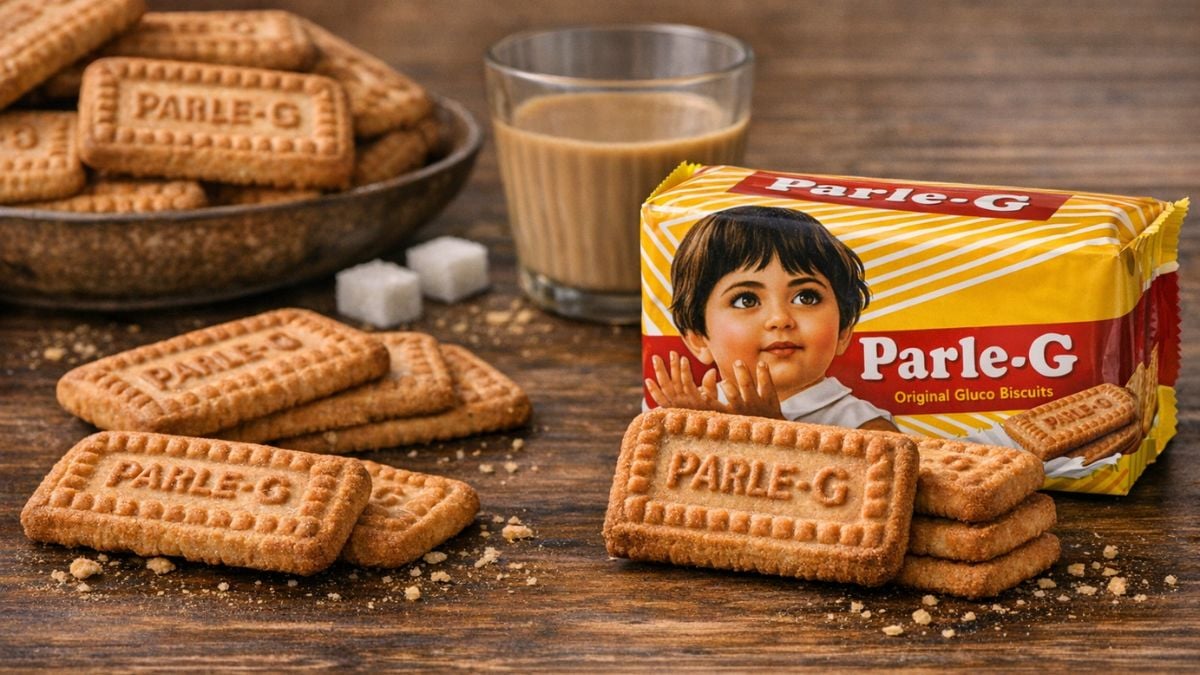
Parle-G is a beloved part of Indias chai culture, loved for its taste and nostalgia. As the brand plans to redevelop its oldest factory, people are revisiting the story behind this iconic biscuit.
For millions across India, the delightful crunch of a Parle-G biscuit paired with a steaming cup of tea is an almost sacred ritual. More than just a simple snack, this light, golden-hued biscuit has woven itself into the fabric of daily life, acting as a potent trigger of cherished memories. From school tiffins and long train journeys to bustling roadside tea stalls, Parle-G is synonymous with childhood innocence and comfort. Over the decades, it has transcended its origins to become a true cultural icon, deeply embedded in the collective consciousness of generations.
The recent announcement by Parle Products regarding the planned redevelopment of its oldest manufacturing facility in Vile Parle East, Mumbai, into a modern commercial complex has prompted a wave of nostalgia and reflection. This news invites a deep dive into the fascinating origin story of an iconic biscuit born within those very premises – a story that mirrors the economic and social evolution of modern India.
A Legacy Forged in Mumbai: The Genesis of a Giant
The journey began in 1929 when Mohanlal Dayal laid the foundation of Parle Products in Mumbai. Starting modestly as a confectionery company with a mere twelve employees, the enterprise harbored ambitions far beyond sweet treats. The true game-changer arrived in 1939 with the launch of the Parle Gluco biscuit. This product was not just another snack; it was a strategic, affordable alternative to the predominantly British imported biscuits, perfectly aligning with the burgeoning nationalist sentiment of the era and catering to the economic realities of the average Indian household. It quickly became a symbol of indigenous enterprise and quality.
The 1950s marked another pivotal moment for Parle Gluco. It was during this decade that the brand introduced its now legendary blue-and-yellow packaging, adorned with the smiling face of a round-cheeked child. This innovative design was a stroke of marketing genius. In an age of conventional, often austere, packaging, the cheerful child conveyed a powerful message of innocence, wholesomeness, and relatability. It instantly captivated consumers, helping Parle Gluco stand out prominently on store shelves and firmly establishing it as a household name across the nation.
The Evolution: From Gluco to 'G for Genius'
The brand continued its strategic evolution into the 1980s. In a significant rebranding effort, Parle's Gluco was officially renamed Parle-G. Initially, many believed the 'G' stood quite simply for 'Glucose,' a logical assumption given its original name and nutritional profile. However, subsequent impactful newspaper and radio advertising campaigns brilliantly unveiled a broader, more aspirational meaning: the 'G' stood for 'Genius.'
This rebranding was accompanied by a shrewd shift in marketing focus. While always popular with children, the company began to actively promote the biscuit's appeal to adults as well. Advertisements highlighted the biscuit's nutritional benefits, positioning it not just as a tasty treat but as a wholesome and energizing snack for all ages. This broadened appeal, combined with the memorable 'G for Genius' slogan, solidified Parle-G's place in the hearts and minds of an even wider demographic.
The Unwavering Appeal: Why Parle-G Endures
Parle-G's remarkable status as one of the world's largest-selling biscuit brands is a testament to several enduring principles. Its success hinges on a commitment to consistent quality and a universally appealing taste profile that resonates with people from every walk of life. While initially celebrated as a glucose biscuit, its recognition today extends equally to its distinctive flavour and its perceived nutritional value; a single packet, for instance, provides approximately 450 calories, offering quick energy.
Beyond its traditional role as a quintessential teatime companion, Parle-G's versatility has also inspired a plethora of creative culinary applications, finding its way into various inventive recipes, from desserts to savory dishes, showcasing its adaptability.
The brand's impact on Indian consumers since its inception in 1939 is profound and undeniable, bolstered by effective advertising campaigns that became cultural touchstones. Crucially, Parle-G's unwavering commitment to an affordable pricing strategy remains a cornerstone of its immense popularity. Consumers can still acquire these iconic biscuits for as little as Rs 5, making them accessible even in the most remote villages and towns. In an economic landscape where inflation often dictates price hikes for daily necessities, Parle-G has largely managed to maintain its affordability, ensuring it remains a staple for every household. This blend of history, cultural resonance, strategic marketing, and accessible pricing ensures Parle-G will continue to be an integral part of the Indian narrative for generations to come.
You Might Also Like


More in India
- "CBSE 10th Result 2026: Mid-April Release Expected Earlier"
- "महावीर जयंती 2026: 10 शिकवणी, शांती-यशाचा मार्ग उघडतील"
- "RBSE Class 12 Results 2026: Check Scores Fast, Avoid Website Crash"
- "Noida Airport: How It Solves Fog Delays & Long Check-In Lines"
- "CBSE 10th, 12th Results 2026: Expect April for Class 10?"
