"Noida Airport's All-Weather Plan: No More Fog Delays, Fast Check-In"
By NewsDose Team
Updated on March 28, 2026
5 min read
Key takeaways
Prime Minister Narendra Modi will inaugurate the much-awaited Noida International Airport at Jewar, Uttar Pradesh today.
Key Takeaways
- The Noida International Airport in Jewar, Uttar Pradesh, is set to commence commercial operations in April 2026.
- The airport features a 3,900-meter runway equipped with a dual-end Instrument Landing System (ILS), designed to eliminate common fog delays in the Delhi-NCR region.
- A primary goal for the terminal is a fast check-in and baggage-drop process, targeting a remarkable 10-minute timeframe through advanced digital and self-service technologies.
The Full Story
The highly anticipated Noida International Airport, situated in Jewar, Gautam Buddha Nagar, Uttar Pradesh, is gearing up for its commercial launch in April 2026. This ambitious project aims to redefine air travel in the Delhi-NCR region by prioritizing an all-weather plan for seamless operations and implementing an advanced system for fast check-in experiences.
Prime Minister Narendra Modi officially inaugurated the airport on March 28, 2026, highlighting its strategic importance for regional connectivity and economic growth. The airport received its crucial aerodrome licence from the Directorate General of Civil Aviation (DGCA) in March 2026, specifically approving its capabilities for "all-weather operations." This certification confirms that essential infrastructure, including the Instrument Landing System (ILS), sophisticated navigation aids, runway lighting, and advanced air traffic control systems, are fully operational to support aircraft movements even in challenging weather conditions.
Combatting Fog Delays with Advanced ILS
One of the most significant challenges for air travel in North India, particularly during winter, has been persistent fog delays. The Noida International Airport directly addresses this with its 3,900-meter Runway 10/28, which is uniquely equipped with a dual-end Instrument Landing System (ILS). This dual capability allows aircraft to approach and land from either direction, depending on prevailing wind conditions, significantly enhancing operational flexibility.
The ILS system provides critical guidance to pilots through two components: the localiser, which offers lateral guidance to align the aircraft with the runway centerline, and the glide slope, ensuring a stable vertical descent path. These precise signals enable pilots to rely on cockpit instruments during the final approach, a crucial feature when external visual references are obscured by dense fog or haze. Prior to certification, the ILS and associated navigation aids underwent rigorous calibration flights and validation checks, ensuring their accuracy and seamless integration with air traffic control.
While the exact ILS category (e.g., CAT I, II, or III) for Noida Airport has not been officially disclosed, its "all-weather" classification signifies its readiness to manage flight operations in varied conditions, subject to operational minima. This capability positions it as a robust alternative and complement to existing facilities in the region, such as Indira Gandhi International Airport, which utilizes CAT III-B systems for very low visibility landings.
Streamlined Passenger Experience: The 10-Minute Check-In Goal
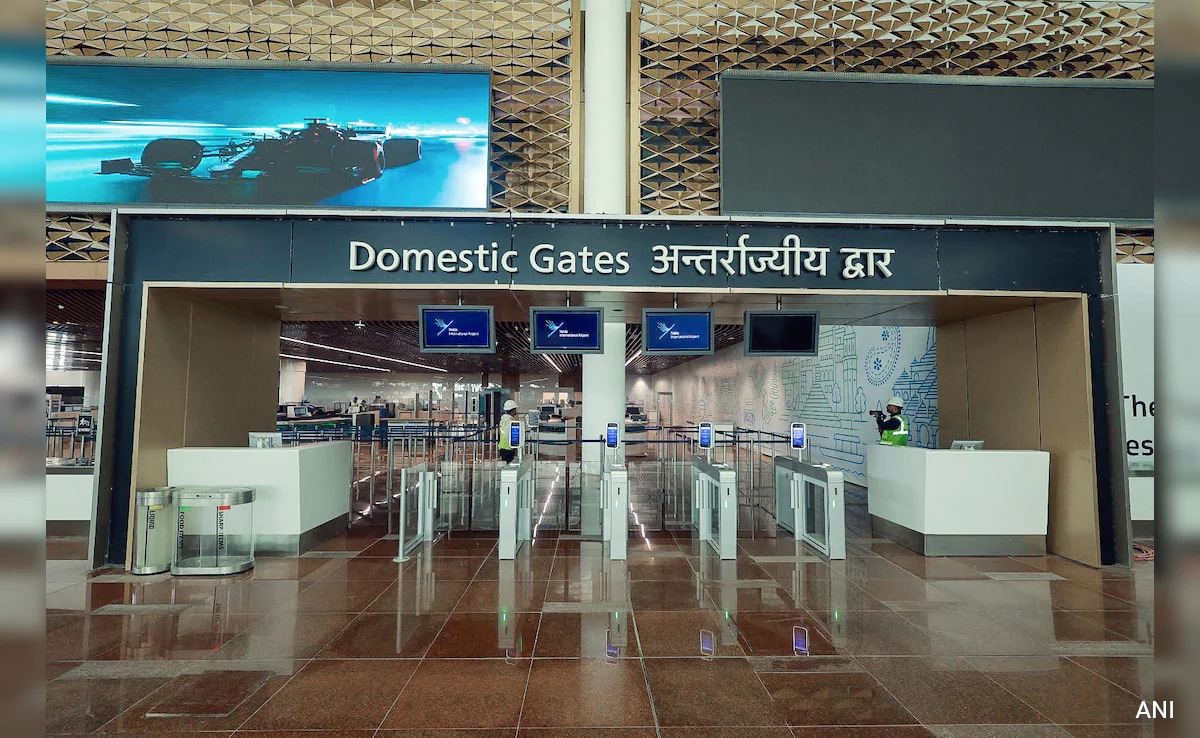
Beyond its advanced airside capabilities, the Noida International Airport is equally focused on revolutionizing the passenger experience on the ground. The operator has outlined an ambitious target of a 10-minute check-in and baggage-drop process. This commitment to fast check-in is underpinned by the extensive use of self-service kiosks, comprehensive digital processing solutions, and a meticulously designed terminal layout that minimizes congestion and passenger dwell time. The integration of these digital technologies aims to provide a swift, efficient, and hassle-free journey for travelers from arrival at the terminal to security clearance.
Why This Matters
The operationalization of Noida International Airport marks a pivotal moment for regional connectivity and economic development in Uttar Pradesh and the broader Delhi-NCR area. Its inherent design to mitigate fog delays and offer a superior, fast check-in passenger experience is set to alleviate pressure on existing airports and boost air travel efficiency. This new infrastructure will foster increased business, tourism, and connectivity, reinforcing India's position as a global aviation hub and significantly contributing to the local economy.
Frequently Asked Questions
- When will Noida International Airport begin commercial operations?
The Noida International Airport is scheduled to commence commercial flights in April 2026. - How will Noida Airport tackle common fog delays?
The airport is equipped with a 3,900-meter runway featuring a dual-end Instrument Landing System (ILS) and has received "all-weather operations" approval from the DGCA to combat fog delays. - What is the target timeframe for check-in and baggage drop?
The airport aims for a highly efficient 10-minute check-in and baggage-drop process through self-service kiosks and digital technologies for a fast check-in experience.
You Might Also Like


More in India
- "CBSE 10th Result 2026: Mid-April Release Expected Earlier"
- "महावीर जयंती 2026: 10 शिकवणी, शांती-यशाचा मार्ग उघडतील"
- "RBSE Class 12 Results 2026: Check Scores Fast, Avoid Website Crash"
- "Noida Airport: How It Solves Fog Delays & Long Check-In Lines"
- "CBSE 10th, 12th Results 2026: Expect April for Class 10?"
