"Noida Airport: Fog Delays Solved, 10-Min Check-In!"
By NewsDose Team
Updated on March 28, 2026
5 min read
Key takeaways
Prime Minister Narendra Modi will inaugurate the much-awaited Noida International Airport at Jewar, Uttar Pradesh today.
Key Takeaways
- The new Noida International Airport (NIA) at Jewar is set to commence commercial operations in April 2026, poised to significantly enhance air travel infrastructure in the Delhi-NCR region.
- It features a 3,900-meter runway equipped with a dual-end Instrument Landing System (ILS), designed to ensure all-weather operations and drastically reduce flight disruptions caused by dense fog and haze.
- The terminal aims to revolutionize passenger experience with an ambitious target of just 10 minutes for check-in and baggage drop, leveraging advanced self-service kiosks and digital processing technologies.
The Full Story
The highly anticipated Noida International Airport (NIA), located in Jewar, Uttar Pradesh, is gearing up for its grand inauguration and the commencement of commercial operations in April 2026. This state-of-the-art facility is being positioned as a critical new aviation hub, specifically engineered to tackle two of the most persistent challenges faced by air travellers in the Delhi-National Capital Region (NCR): severe winter fog disruptions and lengthy passenger processing times.
Mitigating Fog Disruptions with Advanced ILS
At the heart of NIA's operational resilience is its sophisticated airside infrastructure. The airport's primary 3,900-meter runway, designated 10/28, boasts a cutting-edge dual-end Instrument Landing System (ILS). This critical technology provides both lateral guidance (aligning the aircraft with the runway centreline) and vertical guidance (ensuring a stable descent path) directly to the cockpit instruments, allowing pilots to land safely even when external visual references are obscured by dense fog or haze.
The dual-end capability means aircraft can approach the runway from either direction, offering greater flexibility and efficiency regardless of wind conditions. The ILS and associated navigation aids have undergone rigorous calibration flights and validation checks, confirming their accuracy and seamless integration with air traffic control systems. This comprehensive setup, complemented by an advanced aeronautical ground lighting system, including precision approach and runway lighting, has earned the airport an "all-weather operations" approval from the aviation authorities, indicating its readiness to handle varying meteorological conditions.
While the specific ILS category has not been officially detailed, the intent is clear: to provide robust capabilities akin to the highest standards, mirroring those at other major regional airports that operate advanced systems capable of facilitating landings in extremely low visibility. This proactive design is a game-changer for a region infamous for its winter fog, which historically leads to numerous flight delays and cancellations, causing immense inconvenience to passengers and significant economic losses to airlines.
Revolutionizing Passenger Experience: The 10-Minute Promise
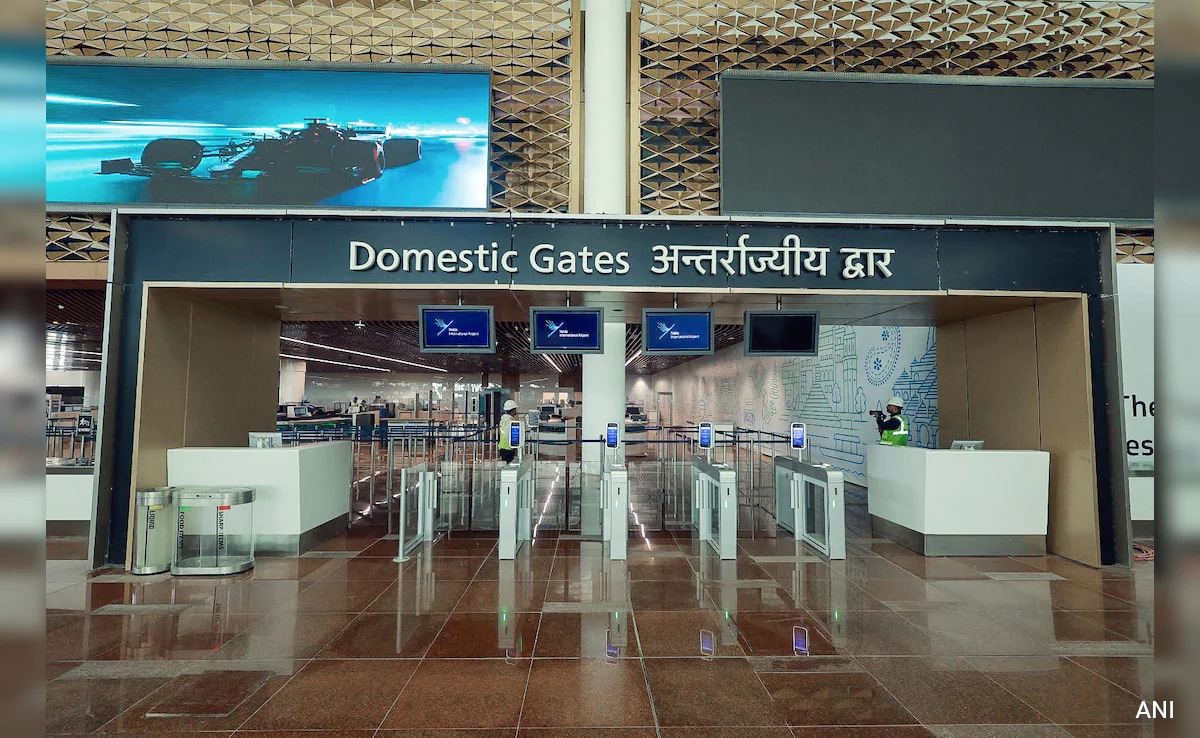
Beyond its airside innovations, NIA is set to redefine the ground experience for passengers. The terminal building has been meticulously designed with a strong emphasis on speed and efficiency, aiming for an unprecedented 10-minute target for check-in and baggage drop. This ambitious goal will be achieved through a holistic approach that integrates:
- Self-service kiosks: Empowering passengers to manage their check-in process independently.
- Digital processing: Streamlining document verification and boarding procedures through advanced technological solutions.
- Optimized terminal layout: Designed to minimize congestion, reduce walking distances, and facilitate a smooth, uninterrupted flow of passengers from arrival to security.
This focus on rapid processing is a direct response to growing passenger volumes and the common frustration associated with long queues and protracted waits at conventional airport terminals. By leveraging smart technology and intelligent design, NIA aims to set a new benchmark for passenger convenience and operational efficiency in India's aviation sector.
A New Era for Regional Connectivity and Development
The development of Noida International Airport is more than just an expansion of aviation infrastructure; it represents a strategic initiative to boost regional connectivity and catalyze economic growth in Uttar Pradesh. Set to be inaugurated, the airport is poised to alleviate pressure on existing airports in the NCR, providing a vital second gateway for both domestic and international traffic. Its "all-weather operations" capability, coupled with a focus on rapid passenger turnaround, positions NIA as a resilient and high-capacity hub, crucial for supporting the burgeoning travel demands of one of the world's fastest-growing economies.
Why This Matters
The operationalization of Noida International Airport holds profound implications for air travel, regional development, and the overall economic landscape of India. For passengers, it promises an end to the perennial frustration of fog-induced flight delays and significantly shorter airport processing times, translating into a more reliable and enjoyable travel experience. For airlines, the "all-weather operations" capability means improved on-time performance, reduced operational costs associated with diversions and cancellations, and enhanced schedule reliability. Economically, NIA is a massive catalyst for the development of the Jewar region and surrounding areas, attracting investment, creating employment opportunities, and fostering the growth of related industries like logistics, hospitality, and manufacturing. It reinforces India's commitment to modern infrastructure and signals a strategic vision to build world-class facilities that can compete globally, setting a new standard for efficiency and passenger-centric design within the nation's burgeoning aviation sector.
Frequently Asked Questions
-
When is Noida International Airport expected to begin operations?
The airport is slated to commence commercial operations in April 2026.
-
How will the airport address fog-related flight delays?
NIA is equipped with a dual-end Instrument Landing System (ILS) on its runway, alongside advanced navigation aids and lighting systems, enabling "all-weather operations" and significantly reducing disruptions caused by fog or low visibility.
-
What is the target for passenger processing time at the new airport?
The airport aims for an ambitious 10-minute check-in and baggage drop time, achieved through self-service kiosks, digital processing, and an optimized terminal layout.
You Might Also Like


More in India
- "CBSE 10th Result 2026: Mid-April Release Expected Earlier"
- "महावीर जयंती 2026: 10 शिकवणी, शांती-यशाचा मार्ग उघडतील"
- "RBSE Class 12 Results 2026: Check Scores Fast, Avoid Website Crash"
- "Noida Airport: How It Solves Fog Delays & Long Check-In Lines"
- "CBSE 10th, 12th Results 2026: Expect April for Class 10?"
