JEE Main 2026 Jan 28 Live Updates: Day 5 First Shift Exam Underway
By NewsDose Team
Updated on January 28, 2026
5 min read
Key takeaways
JEE Main 2026 January session resumes on January 28 with exams for BE/BTech, B.Arch, and B.Planning held in two shifts across multiple centers.
The Joint Entrance Examination (JEE) Main 2026 January session, a pivotal gateway for aspiring engineers and architects across India, saw its critical examinations resume on January 28. This session marked a significant phase in the rigorous selection process for admission into top undergraduate engineering and architecture programmes nationwide.
Following an initial series of exams held from January 21 to 24, the National Testing Agency (NTA) meticulously organized the continuation of Session 1, ensuring a smooth experience for the vast number of candidates. The examinations on January 28 and 29 encompassed multiple papers, catering to diverse academic aspirations. Paper 1 was designated for candidates aiming for B.E./B.Tech courses, while Paper 2A and Paper 2B were structured for those pursuing B.Arch and B.Planning, respectively. Each day featured two distinct shifts, designed to accommodate a large candidate pool efficiently.
Specifically, the B.Tech and B.E. examinations on January 28 were conducted in two shifts: the morning session from 9:00 am to 12:00 noon, and the afternoon session from 3:00 pm to 6:00 pm. The broader schedule for Paper 1 (B.E./B.Tech) included dates like January 21, 22, 23, 24, and 28. The B.Arch and B.Planning examinations (Paper 2A/2B) were slated for January 29, 2026, concluding the first session. All examinations are administered in a Computer-Based Test (CBT) mode, reflecting a modern and standardized approach to large-scale assessments. This first session in January lays the groundwork for a subsequent session planned for April, offering candidates another opportunity to improve their scores.
One of the most frequently inquired aspects of the JEE Main examination is the score calculation method, particularly given the varying question papers across different sessions. The NTA employs a scientifically devised percentile-based normalization system to ensure absolute fairness and equity in evaluating candidates' performances. This robust system addresses potential differences in difficulty levels between various exam sets.
The JEE Main scorecard prominently displays NTA scores for each individual subject (Physics, Chemistry, and Mathematics) alongside an overall percentile score. This percentile score is not a raw percentage of marks but rather an indicator of a candidate's relative performance when compared to all other candidates who appeared in that specific session. For a clearer understanding, if a candidate achieves a percentile score of 70, it signifies that they have performed better than or equal to 70 percent of the total candidates in their session. Conversely, it also implies that 30 percent of the candidates scored higher. This method guarantees that all candidates are evaluated on an equitable scale, irrespective of the specific exam paper they received.
Strict adherence to examination protocols and a stringent code of conduct are paramount for maintaining the integrity of the JEE Main. Candidates are expressly prohibited from engaging in any form of communication or interaction during the examination. This includes peeking at other candidates' screens, interacting verbally, whispering, cheating, writing on hands or desks, or attempting to assist other participants. Any deviation from these rules can lead to immediate disqualification and severe repercussions.
Furthermore, the NTA enforces a strict policy regarding items allowed inside the examination centre. To prevent any unfair means or disturbances, candidates are explicitly forbidden from carrying a comprehensive list of items. This includes, but is not limited to:
- Instrument, Geometry, or Pencil boxes
- Handbags, Purses, or any kind of Paper/Stationery/Textual material (whether printed or written)
- Eatables and Water (loose or packed)
- Mobile Phones, Ear Phones, Microphones, or Pagers
- Calculators, DocuPens, Slide Rules, or Log Tables
- Cameras, Tape Recorders
- Any type of watch, including Electronic Watches with calculator facilities
- Any metallic item or electronic gadgets/devices
Candidates are strongly advised to adhere to this list meticulously, as there is generally no provision for safe keeping of valuable items at the examination centres. Early reporting and compliance with these guidelines are crucial for a hassle-free entry and examination experience.
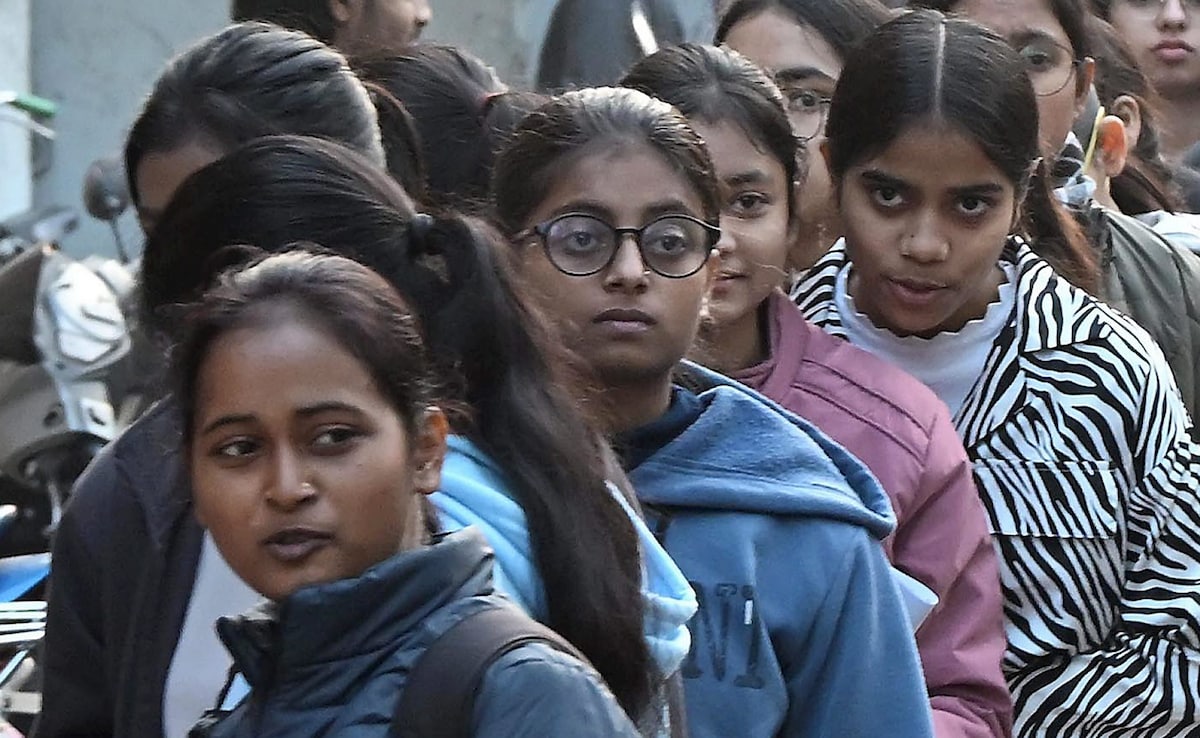
The logistical precision for the January 28 examination, particularly for Shift 1, commenced early in the morning. Candidates were required to report at their respective examination centres by 7:00 am. The entry and essential document verification process for Shift 1 began promptly, running between 7:00 am and 8:30 am. This early window was critical to ensure all necessary checks were completed before the exam started.
Crucially, the entry gates for Shift 1 were strictly closed at 8:30 am. The NTA maintained an unwavering policy that no candidate would be permitted to enter the examination centre after this designated time, emphasizing the importance of punctuality for such high-stakes examinations. The successful commencement of the Shift 1 exam at 9:00 am was a testament to the meticulous planning and the cooperative spirit of the candidates and invigilating staff.
You Might Also Like

More in India
- "CBSE 10th Result 2026: Mid-April Release Expected Earlier"
- "महावीर जयंती 2026: 10 शिकवणी, शांती-यशाचा मार्ग उघडतील"
- "RBSE Class 12 Results 2026: Check Scores Fast, Avoid Website Crash"
- "Noida Airport: How It Solves Fog Delays & Long Check-In Lines"
- "CBSE 10th, 12th Results 2026: Expect April for Class 10?"
