Silent Fatty Liver: 6 Skin Changes That Mean Your Liver Is Struggling
By NewsDose Team
Updated on February 15, 2026
5 min read
Key takeaways
Fatty liver disease affects about 30 to 40% of the Indian population. Here are the possible skin signs that it may appear as and why noticing them matters.
India is grappling with a significant health challenge as it ranks third globally in the prevalence of fatty liver disease. This 'silent' condition is now impacting a substantial portion of the adult population, with recent studies indicating that approximately 30-40% of adults are affected by Non-Alcoholic Fatty Liver Disease (NAFLD).
Understanding this widespread health issue requires a closer look at what fatty liver entails. Essentially, it's a condition where excess fat accumulates in the liver, leading to inflammation and potential damage. While there's an alcohol-related variant, NAFLD — the non-alcohol-related form — is the primary concern driving this epidemic in India.
The rise of NAFLD is closely linked to several modern lifestyle factors. Key contributors include the increasing rates of obesity, type 2 diabetes, insulin resistance, elevated heart disease risk factors, sedentary living, and suboptimal dietary choices. What makes this condition particularly insidious is its often asymptomatic nature in early stages, progressing silently until significant damage has occurred.
However, emerging research highlights that our skin can act as a crucial early warning system. Visible changes on the skin's surface can potentially signal underlying liver distress, necessitating prompt medical attention. Recognizing these subtle manifestations can be vital for early diagnosis and intervention, preventing the disease from advancing to more severe stages such as fibrosis or cirrhosis.
6 Skin Changes That Might Indicate Liver Struggles
Here are six skin changes that, while not definitive diagnostic tools on their own, warrant attention and a medical consultation if experienced persistently, as they could suggest your liver is under strain:
1. Persistent Dark Circles Under The Eyes
Dark circles can arise from various factors, but when they become unusually prominent and resistant to typical remedies, your liver might be involved. Medical experts have identified a significant connection between liver function and eye health, often referred to as the liver-eye axis. Excessive fatty deposits or metabolic dysfunction in the liver can manifest as persistent dark circles that don't seem to dissipate.
- Recent research published in health journals suggests that both types of fatty liver disease can influence eye health through systemic metabolic pathways, implying visible eye changes are linked to liver dysfunction.
- Further clinical observations support a direct correlation between liver health and the appearance of under-eye darkness.
2. Redness Or Flushing On Cheeks
While a healthy blush signifies good circulation, persistent or unusual redness and flushing on the cheeks could be a subtle indicator of liver issues. These vascular changes on the skin are often influenced by genetics, age, lifestyle, and environmental factors, but underlying liver conditions can exacerbate them.
- Studies in hepatology have observed that both acute and chronic liver diseases can lead to diverse vascular skin manifestations, varying from person to person.
- Comprehensive data analyses from clinical groups highlight that liver damage can indeed present visible signs on the skin, underscoring the importance of identifying the root cause of such changes.
3. Yellowish Skin Tone (Early Jaundice)
Perhaps one of the most recognizable signs of impaired liver function is the yellowing of the skin and whites of the eyes, known as jaundice. This occurs when the liver struggles to process bilirubin, a yellow pigment formed from the breakdown of red blood cells. Early jaundice is a significant clinical sign, often indicating that liver inflammation has progressed to more chronic inflammation or fibrosis.
- When liver cells are compromised, they fail to adequately process bilirubin, leading to its accumulation in the body, which manifests as a yellow hue on the skin and eyes, as detailed in gastroenterology publications.
- Clinical investigations consistently demonstrate that skin manifestations, including jaundice, are common in individuals dealing with chronic liver disease.
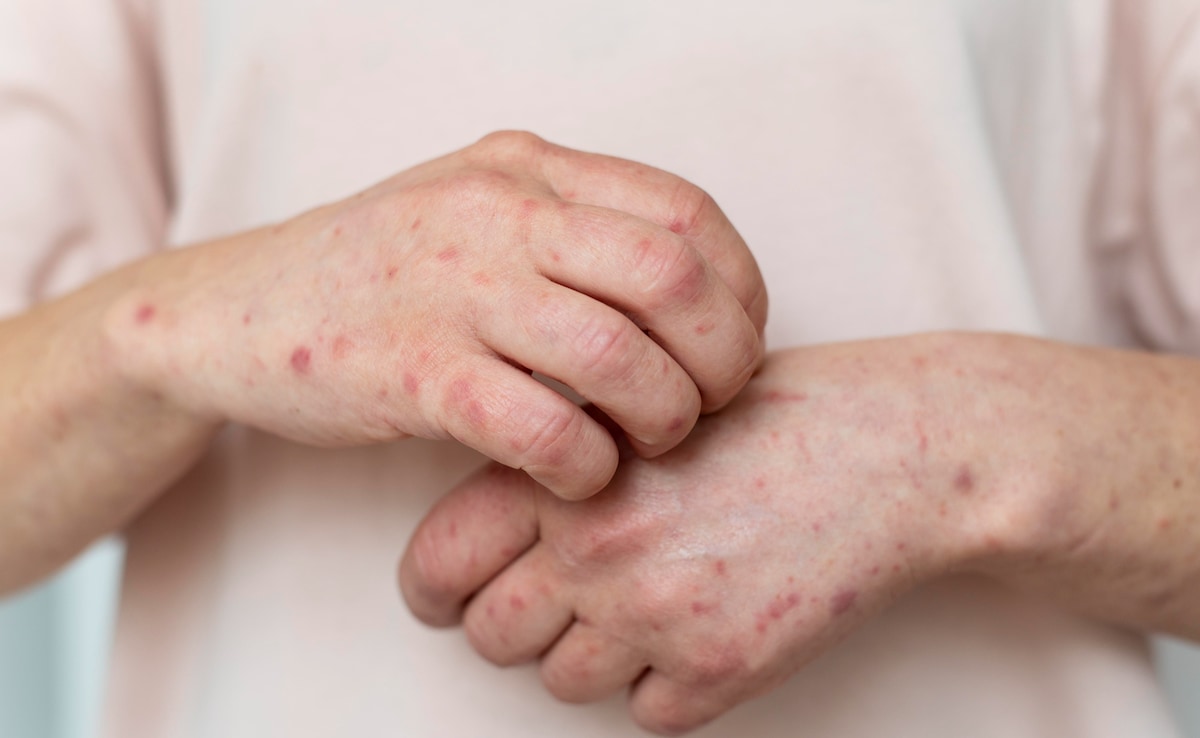
4. Itchy Patches Or Dryness
Sudden onset of persistent itchiness (pruritus) or unexplained dry patches on the skin, while not exclusive to liver disease, warrants investigation. The liver plays a crucial role in bile metabolism, and its impairment can lead to a buildup of bile salts in the skin, causing discomfort.
- Medical literature documents that the progression of NAFLD can significantly impair bile metabolism, directly leading to pruritus and other dermatological symptoms.
- Certain forms of liver disease, particularly cholestatic liver disease which can overlap with fatty liver progression, are often characterized by severe itching and dryness due to the accumulation of bile salts.
5. Swelling/Puffiness Around Eyes Or Face
Beyond lack of sleep or injury, swelling or puffiness around the eyes or face can be a symptom of impaired liver function. The liver is vital for maintaining fluid balance and synthesizing proteins, especially albumin. Dysfunction in these areas can lead to fluid retention and systemic inflammation.
- When fatty liver disease advances, it can result in hypoalbuminemia – a condition caused by the liver's impaired ability to synthesize proteins. This often manifests as facial swelling, particularly under the eyes, making blood tests for liver function critical.
- Research in hepatology indicates that visible fluid retention and puffiness in the face can be a key indicator of advancing fatty liver disease.
6. Spider Angiomas
These distinctive vascular lesions appear as tiny red blood vessels radiating outwards from a central point, resembling a spider web. In advanced fatty liver disease, particularly when it progresses towards cirrhosis, hormonal imbalances (such as increased estrogen levels) and significant liver dysfunction can lead to their formation.
- Medical journals and scientific studies consistently link the presence of spider angiomas to liver dysfunction. Encouragingly, these lesions can often resolve as liver health improves with appropriate treatment and lifestyle changes.
Why Early Detection and Action Are Paramount
The silent progression of fatty liver disease means that by the time symptoms become evident, the condition may have reached an advanced stage, making treatment more challenging. Early detection offers a critical window for intervention:
- It allows for proactive measures to prevent the disease from escalating to liver fibrosis and cirrhosis, which can result in irreversible liver damage and severe health complications.
- It empowers individuals to make timely and impactful lifestyle modifications and seek necessary medical interventions to manage and potentially reverse the condition.
It is crucial to be attentive to subtle changes in your body, especially on your skin. However, these signs should not be used for self-diagnosis. Instead, if you notice any persistent or concerning changes, always consult a medical professional for a comprehensive evaluation, accurate diagnosis, and personalized advice on how to proceed.
Disclaimer: This article provides general information and should not be considered a substitute for professional medical advice. Always consult with a qualified healthcare provider for any health concerns or before making any decisions related to your health or treatment.
You Might Also Like


More in India
- "CBSE 10th Result 2026: Mid-April Release Expected Earlier"
- "महावीर जयंती 2026: 10 शिकवणी, शांती-यशाचा मार्ग उघडतील"
- "RBSE Class 12 Results 2026: Check Scores Fast, Avoid Website Crash"
- "Noida Airport: How It Solves Fog Delays & Long Check-In Lines"
- "CBSE 10th, 12th Results 2026: Expect April for Class 10?"
