Meet Prateek Sadhu, The Chef Who Curated The Rashtrapati Bhavan Banquet For EU Leaders
By NewsDose Team
Updated on January 30, 2026
5 min read
Key takeaways
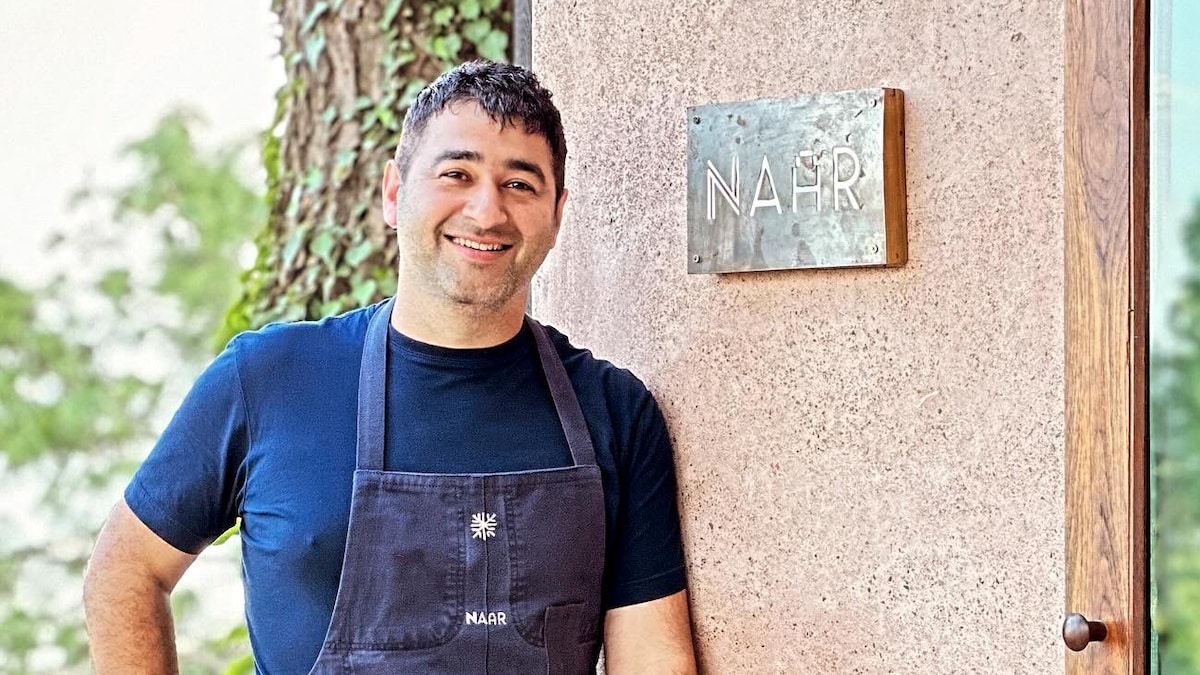
The dinner placed a clear emphasis on regional Indian cooking, with a menu rooted in Himalayan ingredients and food traditions. The menu was curated by celebrated Chef Prateek Sadhu,
A Culinary Revolution at Rashtrapati Bhavan: Himalayan Flavors Take Center Stage
In a remarkable departure from tradition, a recent state banquet at Rashtrapati Bhavan, hosted by the President of India for visiting European Union dignitaries, captivated attendees not just with its diplomatic significance but with an extraordinary culinary showcase. Breaking away from the usual pan-Indian menus, this meal orchestrated a profound emphasis on regional Indian cooking, with a meticulously curated menu rooted deeply in the unique ingredients and ancient food traditions of the Himalayas.
This groundbreaking culinary experience was the brainchild of Chef Prateek Sadhu, the visionary co-founder of NAAR, a highly acclaimed destination restaurant nestled in Himachal Pradesh. While culinary experts have always played a pivotal role in shaping state banquets, it is exceptionally rare for a restaurant chef to command the culinary direction for such a high-profile event at Rashtrapati Bhavan. This distinctive choice, coupled with the profound regional specificity of the menu, unequivocally marked this banquet as a truly historic and noteworthy occasion in India’s diplomatic culinary history.
Redefining Diplomatic Dining: A Shift from Pan-Indian to Regional Focus
Traditionally, state banquets at Rashtrapati Bhavan have aimed to present a broad tapestry of India's culinary diversity, designed to be broadly accessible and universally appealing. These menus often feature a wide array of well-known dishes from various regions, carefully structured to cater to diverse palates and adhere to strict diplomatic protocols. While specific regional delicacies have seen increased inclusion in recent times, the overarching philosophy has largely been one of extensive representation.
The recent banquet, however, dramatically pivoted this approach. Instead of attempting a wide-ranging representation of India through a sprawling selection, the menu embraced a bold strategy of narrowing its focus. It concentrated intensely on the distinctive ingredients, indigenous grains, and time-honored preparations associated exclusively with the majestic Himalayan belt. This innovative approach was less about showcasing universally recognizable classics and more about weaving a cohesive, evocative regional narrative that unfolded seamlessly across multiple courses, offering guests an immersive journey into the heart of Himalayan gastronomy.
An Epicurean Journey Through the Himalayas: The Unveiled Menu
The state banquet was presented as a multi-course vegetarian menu, a deliberate choice that further underscored its emphasis on sustainable and regional sourcing. Each dish was a testament to Himalayan ingredients, ancient grains, and ingenious preservation techniques, telling a story of the region’s rich culinary heritage.
- The Genesis: The meal commenced with Jakhiya aloo, a distinctive potato preparation from Uttarakhand, delicately tempered with fragrant jakhiya seeds, served alongside a vibrant green tomato chutney. This was elegantly paired with jhangora millet kheer, a sweet porridge finished with meah loon (a traditional Himalayan salt preparation) and a hint of white chocolate. This opening set a sophisticated tone, masterfully balancing authentic regional techniques with contemporary, artistic presentation.
- Early Delights: Among the initial courses was Sunderkala thichoni, a buckwheat noodle soup-like delicacy originating from Uttarakhand, featuring roasted tomato and expertly fermented vegetables. This was accompanied by a velvety yak cheese custard and bhaang mathri, as well as bichhu patta (stinging nettle leaf) glazed with mustard and lauki, and a comforting winter carrot kadhi. The palate was refreshed with Nimbu Saan, a tangy Kumaoni salad delight.
- Pre-Main Course Innovation: A meticulously crafted pre-main course followed, centered around sweet pumpkin and sinki (a fermented radish preparation from the eastern Himalayan region). This was served with delicate Kashmiri katlam bread and aromatic coriander butter, preparing the palate for the main event.
- The Heart of the Meal: The main course was a celebration of two prized mushrooms: Kashmiri gucchi (morel mushrooms) and Solan mushrooms. These were harmoniously paired with a subtly burnt tomato sauce and served alongside fragrant Himachali swarnu rice. This course was thoughtfully complemented by a trio of regional chutneys, reinforcing the concept of place-specific condiments over generic accompaniments, thus deepening the regional immersion.
- Sweet Endings with a Himalayan Twist: Dessert continued the regional narrative. One course featured a moist ragi and Kashmiri apple cake, served with aromatic timru and refreshing sea buckthorn cream. This was followed by a sophisticated coffee custard (made with prized Assam coffee beans) with dates and exquisite Indian cacao ice-cream, artfully bringing together ingredients from different mountainous regions while maintaining a beautifully restrained flavor profile. The grand finale was a fresh fruit course, showcasing Himalayan honey-dressed Persimmon with the zesty kick of Jambhiri lemon.
The Visionary Behind the Feast: Chef Prateek Sadhu and NAAR
The architectural marvel of this menu was a collaborative triumph, orchestrated by Chef Prateek Sadhu, alongside Chef Kamlesh Negi, and the dedicated team from NAAR. Chef Prateek Sadhu is widely recognized for his transformative contributions to contemporary Indian fine dining over the past decade. He initially rose to prominence as the co-founder and executive chef of Masque in Mumbai, a restaurant that quickly garnered acclaim for its ingredient-led tasting menus and a staunch commitment to seasonal produce.
After his impactful tenure at Masque, Chef Sadhu embarked on a new venture, establishing NAAR in the serene landscapes of Himachal Pradesh. NAAR is an intimate, reservation-only establishment nestled in the Himalayan foothills, where menus are dynamically crafted to reflect the changing seasons and draw heavily upon hyper-local produce and time-honored regional food practices. The restaurant has received widespread critical acclaim for its singular focus on mountain cuisines and its unique destination-dining format. NAAR's culinary philosophy, centered around Himalayan ingredients, indigenous grains, and traditional preservation techniques, was precisely the ethos that resonated so powerfully throughout the state banquet.
In a post-event conversation, Chef Prateek shared insights into the overwhelmingly positive reception, revealing that the chief guest expressed profound admiration, remarking that they had not realized Indian food could be presented with such breathtaking beauty and innovation. He particularly noted the unusual sight of guests capturing photographs of their food before dining, an uncommon occurrence in the formal setting of a state dinner, underscoring the visual appeal and novelty of the presentation.
A New Era for Indian Culinary Diplomacy
This landmark meal serves as a brilliant exemplar of how deeply regional Indian cuisines can be seamlessly integrated into high-level formal and diplomatic settings. It stands as a powerful testament, proving conclusively that such distinctive menus are not only operationally feasible but also diplomatically viable, offering a fresh, authentic, and globally appealing narrative for India's rich culinary heritage on the international stage. This banquet heralds a new era, showcasing the incredible depth and sophistication of regional Indian flavors to a global audience, solidifying India’s position as a culinary innovator on the world map.
You Might Also Like

More in India
- "CBSE 10th Result 2026: Mid-April Release Expected Earlier"
- "महावीर जयंती 2026: 10 शिकवणी, शांती-यशाचा मार्ग उघडतील"
- "RBSE Class 12 Results 2026: Check Scores Fast, Avoid Website Crash"
- "Noida Airport: How It Solves Fog Delays & Long Check-In Lines"
- "CBSE 10th, 12th Results 2026: Expect April for Class 10?"
