India Loses Visa-Free Entry To Two Countries In 2026 Despite 10-Place Passport Ranking Jump
By NewsDose Team
Updated on February 15, 2026
5 min read
Key takeaways
India now ranks 75th in 2026, up from 85th in 2025 but has lost access to two countries to enter without a visa
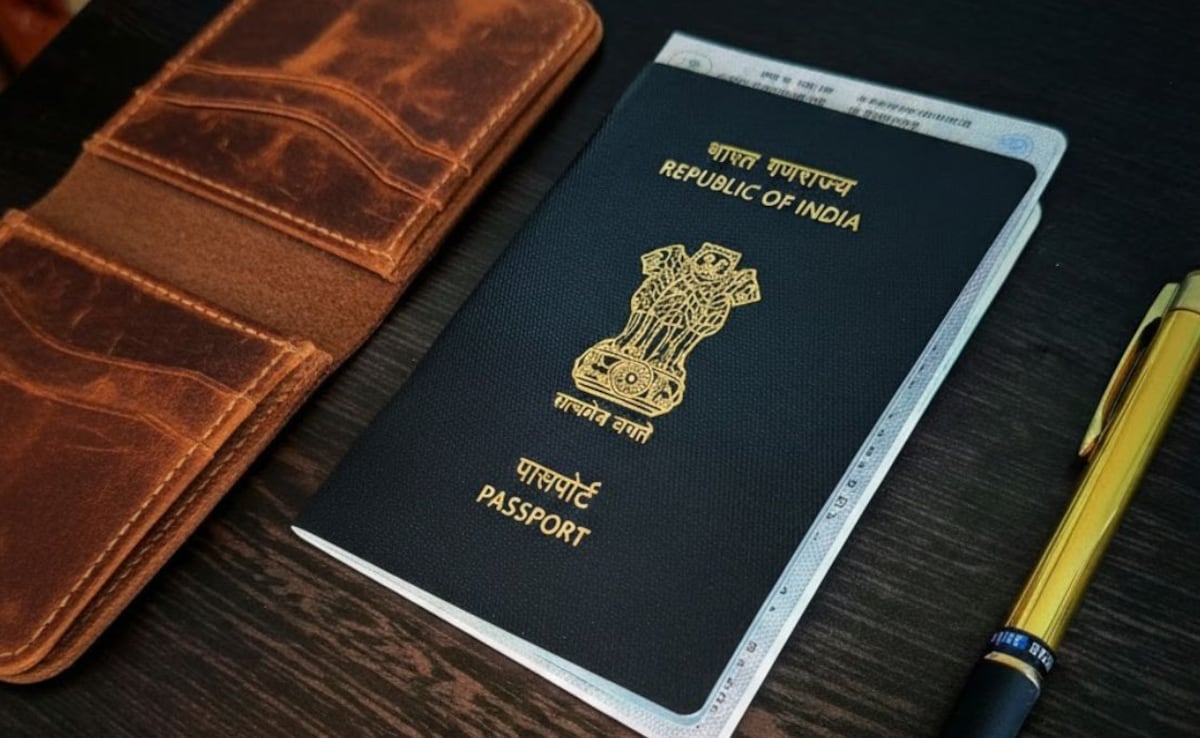
India’s global standing in passport power has seen a notable ascent, with the nation securing the 75th position in the latest Henley Passport Index for 2026. This represents a significant 10-place jump from its 85th rank in 2025, and a further improvement from 80th earlier in January 2026. While the upward trajectory on the global leaderboard is certainly a positive indicator, a closer look reveals a nuanced and somewhat paradoxical situation for Indian travellers: the number of destinations accessible without a pre-approved visa has actually experienced a slight contraction.
Currently, Indian passport holders can enjoy visa-free, visa-on-arrival, or electronic travel authorisation (ETA) access to 56 countries. This figure, while a minor increase from 55 destinations recorded in January 2026, still falls short of the 57 destinations that were available in 2025. This peculiar disconnect — a rising rank amidst a dwindling list of easily accessible nations — begs a deeper exploration into the intricate dynamics of global mobility and the specific methodology employed by the Henley Passport Index.
The Henley Passport Index, widely regarded as a comprehensive barometer of global travel freedom, meticulously evaluates and ranks 199 passports against 227 distinct travel destinations. Published by Henley & Partners, a leading global citizenship and residence advisory firm, the index relies on exclusive data from the International Air Transport Association (IATA), which maintains the world’s largest and most accurate database of travel information. Its scoring mechanism awards one point for each destination that allows visa-free entry, a visa on arrival, a visitor’s permit issued at the border, or a basic Electronic Travel Authorisation (ETA) that does not necessitate prior government approval through an embassy or consulate. Conversely, if a traveller is required to secure a visa in advance through an embassy or undergo a full pre-departure e-visa process requiring approval before travel, that destination scores zero.
Understanding this methodology is crucial to deciphering India's current standing. The recent fluctuations in India's visa-free access can primarily be attributed to changes concerning two specific nations: Iran and Bolivia. These shifts had a direct impact on the overall count, leading to a temporary dip before a partial recovery.
The most significant change came from Iran, which suspended its visa-free entry facility for ordinary Indian passport holders in November 2025. This decision, as confirmed by India's Ministry of External Affairs, was a direct response to a series of concerning incidents involving fraud and human trafficking. It was reported that individuals were being lured to Iran under false pretenses, often with promises of lucrative job opportunities, only to be subsequently kidnapped for ransom. In light of these grave concerns, Tehran made the unilateral decision to revoke the visa waiver, necessitating that Indian travellers now obtain a visa in advance. Since the Henley Index specifically excludes destinations requiring prior approval, Iran's removal directly impacted India's visa-free tally.
Bolivia presented a different scenario. In 2025, Indian citizens enjoyed the convenience of obtaining a visa on arrival in Bolivia, a facility that traditionally scores favorably within the Henley Index's criteria because it circumvents the need for pre-departure paperwork. However, in 2026, Bolivia transitioned Indian travellers to an e-visa regime. This new system mandates that applicants submit an online application, upload required documents, and receive official approval before their departure. This fundamental shift from an "on-arrival" facility to a "pre-approved" digital process meant that Bolivia no longer qualified under the Henley Index's definition of visa-free or visa-on-arrival access, thus being removed from India’s easily accessible list.
These dual losses collectively reduced India's visa-free destinations from 57 in 2025 to 55 in January 2026. However, the situation saw a slight positive adjustment by February 2026 with the inclusion of The Gambia. This West African nation's addition to the list of visa-free options for Indian passport holders brought the total count back up to 56, partially mitigating the earlier reductions, though not fully restoring the 2025 level. This illustrates the dynamic and often fluid nature of international visa policies, which can change rapidly due to bilateral agreements, security concerns, or administrative reforms.
So, if India lost access to key countries and only partially recovered, how did its passport rank still manage to climb ten places? The answer lies in the relative nature of the Henley Passport Index. It functions much like a competitive leaderboard rather than a static score. India's performance is measured not just by its absolute number of accessible destinations, but by its position relative to other nations globally. While India experienced a slight reduction in its visa-free score, many other countries across the globe also faced similar, and in some cases, more substantial shifts in their visa policies. Some nations may have lost access to more destinations, or perhaps the scores of countries previously ranked above India deteriorated more significantly.
Therefore, even a minor improvement or a smaller decline compared to competitors can lead to an upward movement in the rankings. The index continuously re-calibrates positions based on these global shifts. India's climb to 75th position, where it shares its rank with peers like Niger or Algeria, signifies that while its raw score might have seen minor fluctuations, its relative global standing improved, reflecting a complex interplay of international relations, security considerations, and administrative efficiency across the world's passports.
In essence, India’s upward trajectory on the Henley Passport Index is a testament to its improving global reputation and diplomatic efforts, even as individual country visa policies remain a variable factor in the overall travel experience for its citizens. The journey towards greater global mobility is ongoing, marked by both strategic gains and granular shifts in accessibility.
You Might Also Like


More in India
- "CBSE 10th Result 2026: Mid-April Release Expected Earlier"
- "महावीर जयंती 2026: 10 शिकवणी, शांती-यशाचा मार्ग उघडतील"
- "RBSE Class 12 Results 2026: Check Scores Fast, Avoid Website Crash"
- "Noida Airport: How It Solves Fog Delays & Long Check-In Lines"
- "CBSE 10th, 12th Results 2026: Expect April for Class 10?"
