India's Textile Exporters Pin Hopes On EU Deal After US Tariff Blow
By NewsDose Team
Updated on January 30, 2026
5 min read
Key takeaways
India's textile and apparel exporters, hit by 50 per cent US tariffs imposed late in August, are banking on this week's trade agreement with the European Union to offset part of the damage.
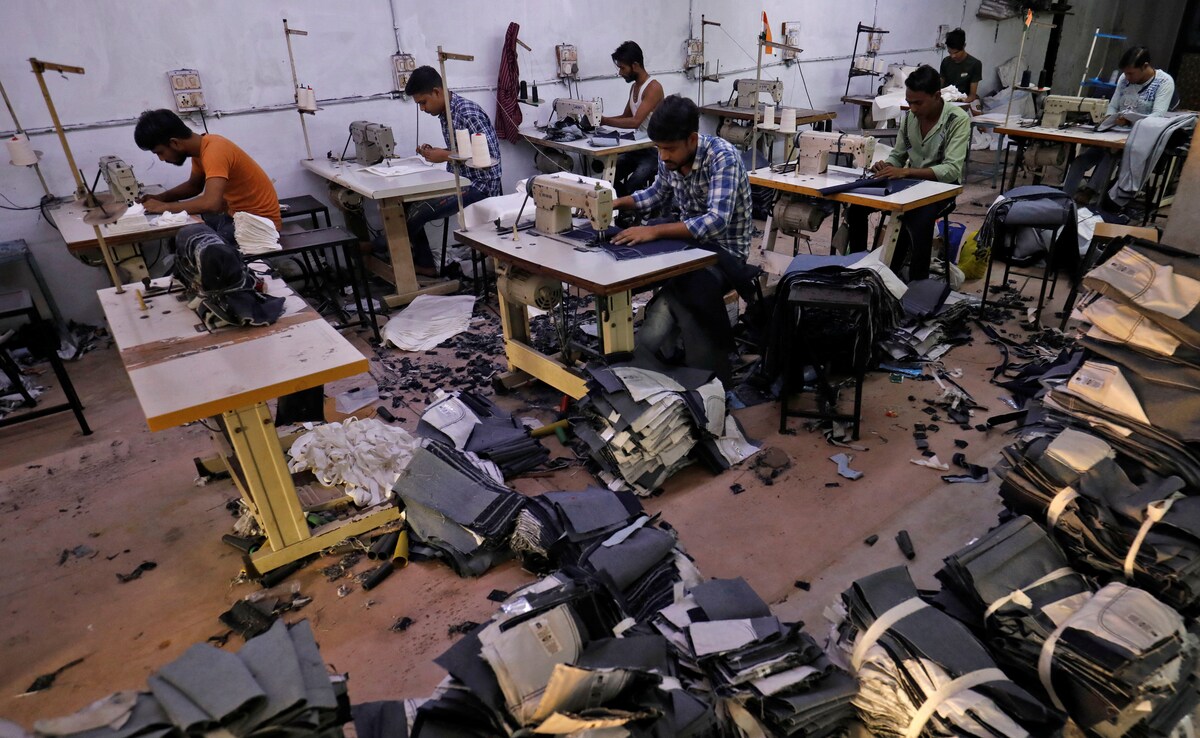
India's vibrant textile and apparel export sector, a cornerstone of its manufacturing economy and a significant employer, is currently navigating a complex global trade landscape. Faced with formidable challenges from steep tariffs imposed by the United States late in August, the industry is now pinning its hopes on a recently inked trade agreement with the European Union to mitigate the financial strain and safeguard livelihoods across the nation.
The US tariffs, which saw a 50 percent hike, delivered a substantial blow to Indian exporters, leading to a significant downturn in shipments. A survey conducted by the Confederation of Indian Textile Industry (CITI) revealed a stark reality: nearly a quarter of textile exporters witnessed their US shipments plummet by over 50 percent during the October-December period compared to the preceding July-September quarter. Industry leaders have sounded the alarm, warning that the sector stands to lose an estimated $5 billion to $6 billion this year alone if a favorable resolution with Washington is not swiftly secured.
In response to this pressing crisis, industry bodies have intensified their advocacy efforts. The Apparel Export Promotion Council (AEPC) has formally communicated with the government, underscoring the severe impact of higher US tariffs on businesses, particularly those generating up to 70% of their sales from the American market. The council highlighted the imminent risks of order cancellations and factory shutdowns, urging immediate government intervention to prevent long-term, irreversible damage to the sector.
Amidst these headwinds, the newly forged India-EU trade agreement emerges as a crucial lifeline. Scheduled for implementation in approximately a year, this landmark pact is poised to revolutionize market access for Indian goods. A key provision mandates the immediate removal of duties on 90 percent of Indian products by the EU, crucially including the approximately 12 percent tariff currently levied on textiles and apparel.
Experts view this agreement as a timely strategic move. Ashwin Chandran, Chairman of CITI, emphasized the pact's significance: "At a time when the sector is heavily weighed down by high US tariffs, the India–EU agreement opens the door to greater market access and diversification." He further stressed the critical situation, noting that numerous jobs within the sector are currently at risk, making the EU deal vital for stability and employment.
Despite the challenges posed by reduced US orders, India's textile and apparel exports remarkably held steady at $37.5 billion in 2025. This resilience was largely attributed to exporters' agile strategy of diverting shipments to alternative international markets, including the EU, UAE, Japan, and various African nations, as indicated by government estimates. This proactive approach underscores the adaptability and strategic foresight of the Indian textile industry.
Nevertheless, the United States continues to hold its position as India's premier export destination for textiles and apparel, accounting for a substantial 28 percent of total exports – approximately $11 billion out of $38 billion in the financial year ending March 2025. The European Union ranked as the second-largest market, absorbing around one-fifth of India's total textile and apparel shipments, highlighting its existing importance and future potential.
The prospect of zero-duty access to the vast EU market is expected to significantly enhance the competitiveness of Indian garments on the global stage. A. Shakthivel, Chairman of AEPC, expressed optimism regarding the agreement's potential, projecting that EU exports could witness an impressive annual growth of 20-25 percent and potentially double within the next three to four years. Currently, India's share of the EU's formidable $250 billion apparel market stands at a modest 3 percent, lagging behind competitors like China, Bangladesh, and Vietnam, primarily due to prevailing higher duties. This agreement promises to level the playing field and unlock substantial growth.
However, analysts caution against immediate exuberance, pointing to several near-term risks that Indian exporters must navigate. The EU has temporarily suspended preferential tariffs on Indian apparel for the period 2026–2028, and it will take at least a year for the new, comprehensive deal to fully come into force. This transitional period could potentially lead to a temporary increase in operational costs and exert pressure on profit margins for exporters, requiring careful financial planning.
Furthermore, entering the sophisticated EU market demands adherence to stringent technical and safety norms. Exporters will need to meticulously comply with detailed labelling requirements, strict chemical limits, and comprehensive health-and-environment certifications. These prerequisites necessitate significant investment in quality control and process upgrades, presenting an additional hurdle for some manufacturers who may need to adapt their production lines.
A notable disparity also exists in product alignment. Of the EU's top 20 high-demand ready-made garment products, India currently exports only eight cotton items and a mere two man-made fibre items. This indicates a significant gap in matching the breadth of European consumer demand, underscoring the need for product diversification and innovation within the Indian textile sector to fully capitalize on the new market access.
Despite these challenges, encouraging signs are emerging from key manufacturing hubs. Major EU fashion brands, including globally recognized names, have already initiated visits to factories in Tiruppur, a prominent southern textile cluster, to explore and plan new orders. Kumar Duraiswamy, joint secretary of the Tiruppur Exporters Association, expressed positive anticipation, expecting exporters to expand their production capacity, attract new international clientele, and venture into the growing market for synthetic garments.
Industry stalwarts are also voicing their confidence. Rajinder Gupta, CEO of a prominent textile group, affirmed the immense benefits of the EU market opening: "Opening up the European market will be hugely beneficial for India's textile industry, particularly at a time when exporters are facing serious challenges in the US market." He anticipates his group's exports to double within two to three years, reflecting strong optimism. Yet, Gupta also offered a pragmatic reminder: "However, the amount of US business cannot be replaced by any other market," emphasizing the unparalleled scale and importance of the American consumer base for Indian textiles.
As India's textile and apparel sector strategically pivots and adapts, the convergence of a new European trade corridor and the ongoing efforts to stabilize relations with its largest market will define its trajectory in the coming years. The industry's capacity for innovation, adherence to global standards, and strategic policy support will be paramount in sustaining its growth and competitive edge on the world stage, ensuring its continued contribution to India's economic prosperity.
You Might Also Like


More in India
- "CBSE 10th Result 2026: Mid-April Release Expected Earlier"
- "महावीर जयंती 2026: 10 शिकवणी, शांती-यशाचा मार्ग उघडतील"
- "RBSE Class 12 Results 2026: Check Scores Fast, Avoid Website Crash"
- "Noida Airport: How It Solves Fog Delays & Long Check-In Lines"
- "CBSE 10th, 12th Results 2026: Expect April for Class 10?"
