India Loses Visa-Free Entry To Two Countries In 2026 Despite 10-Place Passport Ranking Jump
By NewsDose Team
Updated on February 15, 2026
5 min read
Key takeaways
India now ranks 75th in 2026, up from 85th in 2025 but has lost access to two countries to enter without a visa
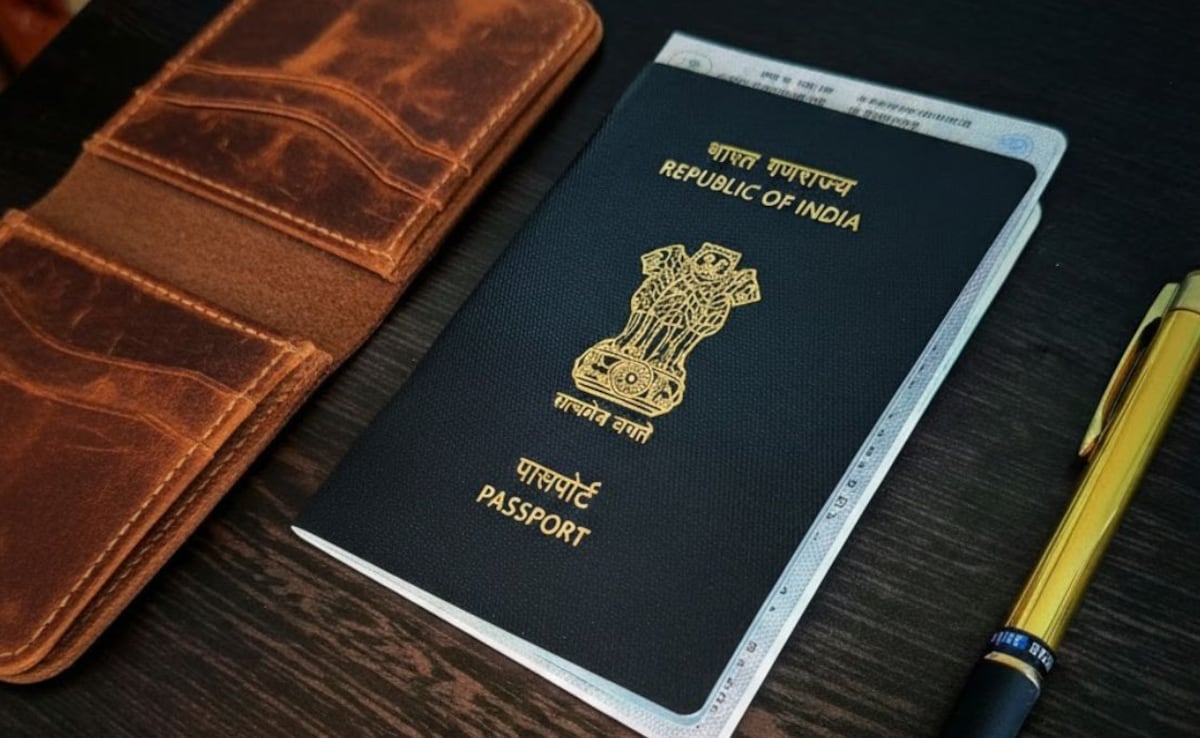
The latest update to the globally recognized Henley Passport Index presents a fascinating paradox for Indian passport holders. While India has achieved a notable ascent in its global ranking, the practical reality reveals a slight contraction in the number of countries accessible without prior visa arrangements. This intricate shift highlights the dynamic and often complex nature of international travel regulations and global mobility.
India’s passport ranking has seen a significant improvement, climbing 10 places to secure the 75th position in 2026, a considerable jump from its 85th rank in 2025. This progression is even more striking considering that the country was placed at 80th position just a month prior, in January 2026, underscoring a rapid upward trajectory on the global mobility leaderboard.
However, despite this impressive rise in rank, the actual number of destinations offering visa-free access (which includes visa-on-arrival and electronic travel authorizations that do not require prior embassy approval) currently stands at 56 countries. This figure, while a modest increase from 55 destinations in January 2026, remains slightly lower than the 57 destinations that Indian passport holders could access without a visa in 2025. This situation begs the question: how can a passport gain in global standing while simultaneously offering access to fewer destinations?
To unravel this apparent contradiction, it's crucial to understand the methodology behind the Henley Passport Index. This comprehensive index evaluates 199 different passports against 227 distinct travel destinations worldwide. Its ranking system is based on data provided by the International Air Transport Association (IATA), meticulously assessing the number of destinations passport holders can enter without needing a visa beforehand. A higher score, indicating more visa-free destinations, signifies a stronger passport in terms of global mobility.
The reduction in visa-free access from 57 to 56 destinations can be attributed primarily to policy changes initiated by two specific countries: Iran and Bolivia.
In November 2025, Iran suspended its visa-free entry policy for ordinary Indian passport holders. This decision was a direct response to a series of concerning incidents involving fraud and human trafficking, where Indian nationals were reportedly lured to the Islamic Republic with deceptive job offers and subsequently became victims of kidnapping for ransom. India's Ministry of External Affairs had confirmed these troubling reports, noting that the visa waiver facility had been exploited. Consequently, Indian travelers are now mandated to obtain a visa in advance, which, according to the index's scoring rules, removes Iran from the list of visa-free destinations.
Bolivia's situation, while also leading to a reduction in India's visa-free count, stemmed from a technical rather than security-related policy alteration. Previously, in 2025, Indian citizens could easily obtain a visa on arrival in Bolivia, a system that qualified as 'visa-free' in the index's calculations. However, in 2026, Bolivia transitioned to an e-visa regime for Indian travelers. Under this new system, applicants must apply online, submit necessary documents, and receive pre-departure approval. Because this process requires prior authorization, it no longer aligns with the 'visa-free' or 'visa-on-arrival' categories as defined by the index's rigorous methodology, thereby removing Bolivia from India's accessible list.
The internal movements within 2026 further illustrate these shifts. After the changes implemented by Iran and Bolivia, the January 2026 update of the index reflected a total of 55 accessible destinations for Indian passports. However, by February 2026, the count saw a minor recovery to 56 destinations with the inclusion of The Gambia, which now offers visa-free access to Indian nationals. This addition partially mitigated the earlier losses, though it did not fully restore the 2025 total of 57 destinations.
So, why the improved ranking despite a slight dip in visa-free countries? The answer lies in the relative nature of the Henley Passport Index. It functions much like a global leaderboard. India's performance is measured not just by its absolute score, but by its standing in comparison to other nations. While India experienced a minor reduction in its visa-free destinations, several other countries also encountered changes in their visa policies, with some potentially losing more ground or experiencing less favorable shifts than India. When all passports are re-evaluated and ranked, India's relative position improved, allowing it to climb the ladder.
In essence, the scoring system awards one point for every destination that permits:
- Visa-free entry
- Visa on arrival
- A visitor’s permit issued directly at the border
- A straightforward Electronic Travel Authorisation (ETA) that does not necessitate prior embassy approval.
Conversely, if a traveler must secure a visa in advance through an embassy or undergo a comprehensive pre-departure e-visa process requiring explicit approval before travel, that destination scores zero points. These individual points are then aggregated to form a total visa-free score, and countries are ranked accordingly. In instances where multiple countries share the same score, they are assigned the same rank.
This positional ranking system explains how India, even with a minor adjustment in its raw score, can improve its standing on the global stage. It shares its 75th rank with other nations boasting similar mobility scores, while the top 74 positions are held by passports that surpass India's 56 accessible destinations, even if by a single point. This dynamic environment of ever-changing global travel regulations means that a country's passport rank can indeed improve, even when the absolute number of visa-free destinations experiences only marginal shifts or even a slight reduction.
You Might Also Like


More in India
- "CBSE 10th Result 2026: Mid-April Release Expected Earlier"
- "महावीर जयंती 2026: 10 शिकवणी, शांती-यशाचा मार्ग उघडतील"
- "RBSE Class 12 Results 2026: Check Scores Fast, Avoid Website Crash"
- "Noida Airport: How It Solves Fog Delays & Long Check-In Lines"
- "CBSE 10th, 12th Results 2026: Expect April for Class 10?"
