India-EU Trade Deal: List Of Foods Set To Get Cheaper In India, How It Will Impact Consumers And The Industry
By NewsDose Team
Updated on January 28, 2026
5 min read
Key takeaways
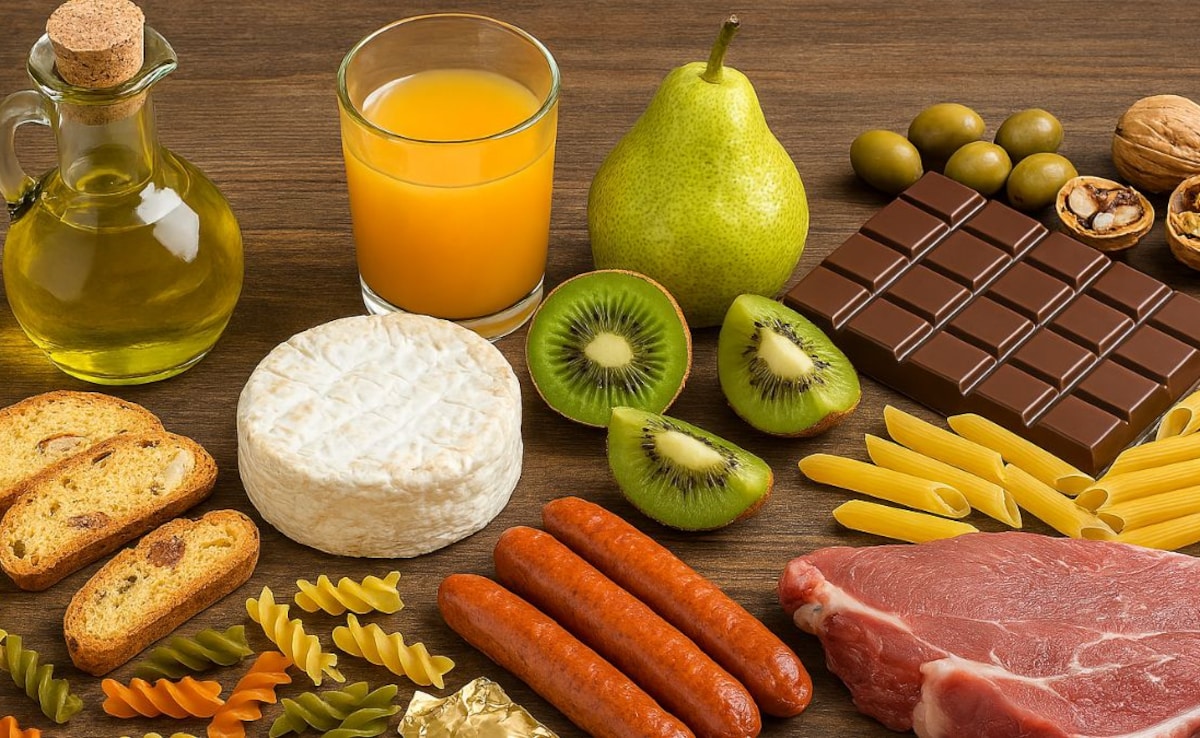
India's new EU trade deal will cut tariffs on imported foods, making olive oil, pasta, chocolates and fruits much cheaper. The pact is set to reshape supermarket prices and expand European food choices.
India has officially inked a landmark free trade agreement with the European Union, a pivotal development set to dramatically reshape the pricing landscape for a vast array of imported goods. This monumental deal, the culmination of nearly two decades of intensive negotiations, zeroes in on significant tariff reductions for EU exports entering the dynamic Indian market.
According to joint statements from European and Indian government officials, duties are slated for reduction or complete elimination on over 90 percent of goods originating from the EU. This comprehensive list notably includes a substantial portfolio of agricultural products and processed food items, signaling a new era for consumer choices and market dynamics across the subcontinent.
With beloved European staples such as olive oil, gourmet biscuits, artisanal pasta, premium chocolates, and specific fresh fruits poised to become significantly more affordable, this extensive trade pact is anticipated to fundamentally alter supermarket pricing strategies and broaden the horizons of consumer options for Indian households. Beyond the immediate price impact, the agreement promises to foster deeper economic ties and enhance the availability of diverse, high-quality international products.
Understanding the India-EU Free Trade Agreement: A New Economic Frontier
At its core, the India-EU Free Trade Agreement is designed to systematically dismantle or substantially cut tariffs on a predominant portion of European exports destined for India. This ambitious agreement is projected to generate annual savings of up to €4 billion for EU exporters in duties alone. Crucially, it aims to make an extensive range of imported food products far more accessible and affordable for the discerning Indian consumer by dismantling traditionally high tariff barriers that have long inflated prices.
A significant proportion of these eagerly anticipated tariff cuts are specifically earmarked for agri-food items. Many European culinary delights currently face import duties ranging from a substantial 30 to 55 percent, with some processed food categories attracting tariffs as high as 50 percent. Under the new accord, these duties will be either drastically reduced or removed entirely, opening up a wealth of options for both individual shoppers and the hospitality sector.
European Delights: Foods Set to Become More Affordable Under the India-EU Deal
Based on the official information disseminated by the European Commission, the following food products are unequivocally poised to become more economically viable for Indian consumers under the provisions of this transformative new agreement:
- Olive Oil, Margarine, and Other Vegetable Oils: This category stands as one of the most significant beneficiaries of the agreement.
- Current tariff: Up to 45 percent
- New tariff: 0 percent (to be phased in strategically over five years)
The EU has confirmed that olive oil, a cornerstone of Mediterranean cuisine and a growing favorite in Indian kitchens, will become fully duty-free. This ensures that premium quality European olive oils will become substantially more accessible and affordable across India, encouraging healthier cooking practices and broader culinary experimentation.
- Processed Foods: This represents one of the broadest and most impactful categories to witness complete tariff elimination.
- Includes: A wide array of baked goods like specialty bread, a diverse range of pasta, gourmet biscuits, exquisite pastries and other bakery items, premium chocolates, various confectioneries, and even specialized pet food.
- Current tariff: Up to 50 percent
- New tariff: 0 percent
These popular items are officially confirmed to receive full duty removal under the comprehensive trade pact, promising a bounty of choices for everyday consumption and special occasions.
- Fruit Juices and Select Non-Alcoholic Beverages:
- Current tariff: Up to 55 percent
- New tariff: 0 percent
High-quality European fruit juices and a curated selection of non-alcoholic beverages will now enter the Indian market duty-free, offering refreshing alternatives and expanding beverage options for consumers.
- Kiwis, Pears, and Other Specific Fruits:
- Current tariff: 33 percent
- New tariff: 10 percent (applicable within specified quotas)
Fresh European fruits, including crisp pears and tangy kiwis, are expected to experience noticeable price reductions, making these healthy imports more commonplace on Indian fruit stands.
- Meat Preparations and Sausages:
- Current tariff: Up to 110 percent
- New tariff: 50 percent
It is important to note that this reduction specifically applies to processed meat foods and prepared items, rather than raw meat imports, bringing down the cost of specialty European cold cuts and sausages.
- Sheep Meat:
- Current tariff: 33 percent
- New tariff: 0 percent
Sheep meat from EU producers will become entirely duty-free, a move that will significantly reduce costs for Indian importers and could impact prices in the retail meat sector.
With these substantial tariff reductions now clearly delineated, the pressing question shifts to the profound impact these changes will exert on Indian consumers and the broader food ecosystem across the nation. This agreement is not merely about price; it's about fundamentally altering access and choice.
Transformative Impact: A New Era for Indian Consumption and Commerce
What This Shift Means for Indian Consumers
The implementation of lower tariffs will unequivocally render a wide array of European foods more affordable and significantly more accessible to the average Indian consumer. With reduced duties on highly sought-after items such as premium olive oil, a diverse range of bakery goods, exquisite chocolates, refreshing juices, and a selection of choice fruits, Indian shoppers can anticipate an unprecedented expansion in their grocery options. This includes not just a wider variety but also enhanced quality and the ready availability of more premium international selections for their everyday grocery baskets and special occasions.
This increased affordability is also expected to empower consumers to broaden their culinary horizons, encouraging them to experiment more readily with global flavors and ingredients. What was once considered a luxury purchase will gradually transition into a more standard component of household spending, enriching the gastronomic experiences of millions.
What This Means for Restaurants and the Food-Service Sector
The ripple effect of cheaper imports will be profoundly felt within the vibrant Indian restaurant, café, and hotel industries. These establishments stand to benefit immensely from both reduced input costs and more stable, predictable supply chains for high-quality European ingredients. Chef Sandeep Yadav of La Soiree, a renowned establishment in Kolkata, highlights that such reduced costs could be a game-changer for fine-dining spaces, enabling them to significantly expand their innovative offerings. He articulates that cheaper imports will allow restaurants to "integrate more premium ingredients like authentic European olive oils, artisanal cheeses, and fine wines into their menus" without the need to escalate menu prices for their patrons.
Chef Yadav further emphasizes that this could facilitate "more sophisticated wine pairings, intricate olive oil infusions in Mediterranean-inspired dishes, and luxurious cheese boards without the previous premium markups," thereby elevating overall menu quality and attracting a broader clientele seeking richer, more experimental dining experiences. This sentiment is strongly echoed by executives within the premium hospitality groups.
Sukul Kundan, Format Director-Operations at Aditya Birla New Age Hospitality, characterizes the India-EU agreement as particularly transformative for restaurants that meticulously curate European ingredients. He notes, "the most significant impact is on wine – lowering duties from a prohibitive 150% to a more palatable 20-30% range means iconic labels like Chianti and Barolo can now be priced accessibly," enabling innovative venues like CinCin to completely reimagine their wine-by-the-glass programmes and offer a far superior selection. Kundan also underscores that "the complete elimination of duty on olive oil is a monumental win," rendering core Mediterranean ingredients substantially more economical for professional kitchens nationwide.
This could signify a fundamental structural shift in India's dynamic consumption narrative, observes Chef Jyotika Malick of Olive Cafe & Bar, Kolkata. She elaborates, "High-quality European cheeses would become more affordable, fostering greater accessibility and competitive pricing. In essence, the consumer will be the ultimate beneficiary, enjoying lower prices coupled with an unparalleled expansion of choices. The gourmet and premium food segments are poised for substantial growth. Furthermore, chefs, restaurateurs, and hoteliers will gain the flexibility to optimize menu costs and confidently experiment with an even greater variety of ingredients and culinary styles."
What This Means for Indian Brands and Retailers
While consumers and the hospitality sector rejoice, Indian brands may indeed encounter significant competitive pressure as a wave of more affordably priced European imports inundates the market. Deepanshu Manchanda, MD at Zappfresh, acknowledges that the deal will "ease pricing in pivotal categories such as cheese, olive oil, and select processed foods, particularly within urban retail environments and the expansive food service sector," thereby making premium international imports more readily accessible to a broader demographic. He posits that "Domestic producers may face near-term pressure in the premium dairy, edible oils, and specific processed food segments. However, the broader impact of this agreement is fundamentally structural, necessitating adaptation and innovation."
Adding another crucial dimension to this perspective, Ashni Biyani, co-founder of Foodstories, articulates that the India-EU agreement heralds a deeper, more systemic shift for retailers as well. She astutely observes that "lower duties don't merely influence pricing strategy – they profoundly enhance market access and logistical efficiency." Biyani explains that "at Foodstories, we already witness robust and growing demand for authentic European food traditions and premium global ingredients." She confidently states that these reduced tariffs will empower retailers to "offer superior quality products at far more accessible price points, concurrently improving assortment depth and ensuring greater supply consistency," ultimately benefiting both retailers and their discerning customers.
This burgeoning access to an expanded portfolio of European products is also vividly reflected within the luxury gourmet retail space. A spokesperson from Marche Retail (P) Ltd, operators of the prestigious Le Gourmet format, shares their insightful perspective:
"Marche Retail (P) Ltd regards the India-EU trade agreement as a structurally transformative milestone for India's rapidly evolving luxury food retail sector. By systematically easing duty pressures and significantly enhancing market access, this comprehensive agreement facilitates more efficient and streamlined sourcing of an exquisite range of European artisanal and luxury food products. For Marche Retail and its premium gourmet format, Le Gourmet, this development meticulously constructs a stronger, more seamless bridge connecting Europe's finest artisanal producers with India's increasingly sophisticated and maturing premium consumer base, promising an unparalleled selection and experience."
For Indian shoppers dreaming of a wider culinary world, for innovative restaurants striving for gastronomic excellence, and for forward-thinking brands and retailers aiming to expand their offerings, this new India-EU trade deal marks a profoundly significant step. It is a bold stride toward greater choice, consistently higher quality, and the realization of a more interconnected and globally integrated food ecosystem that promises to enrich the lives and palates of millions across India for years to come.
You Might Also Like


More in India
- "CBSE 10th Result 2026: Mid-April Release Expected Earlier"
- "महावीर जयंती 2026: 10 शिकवणी, शांती-यशाचा मार्ग उघडतील"
- "RBSE Class 12 Results 2026: Check Scores Fast, Avoid Website Crash"
- "Noida Airport: How It Solves Fog Delays & Long Check-In Lines"
- "CBSE 10th, 12th Results 2026: Expect April for Class 10?"
