‘India will have 100s of new factories’
By NewsDose Team
Updated on January 30, 2026
5 min read
Key takeaways
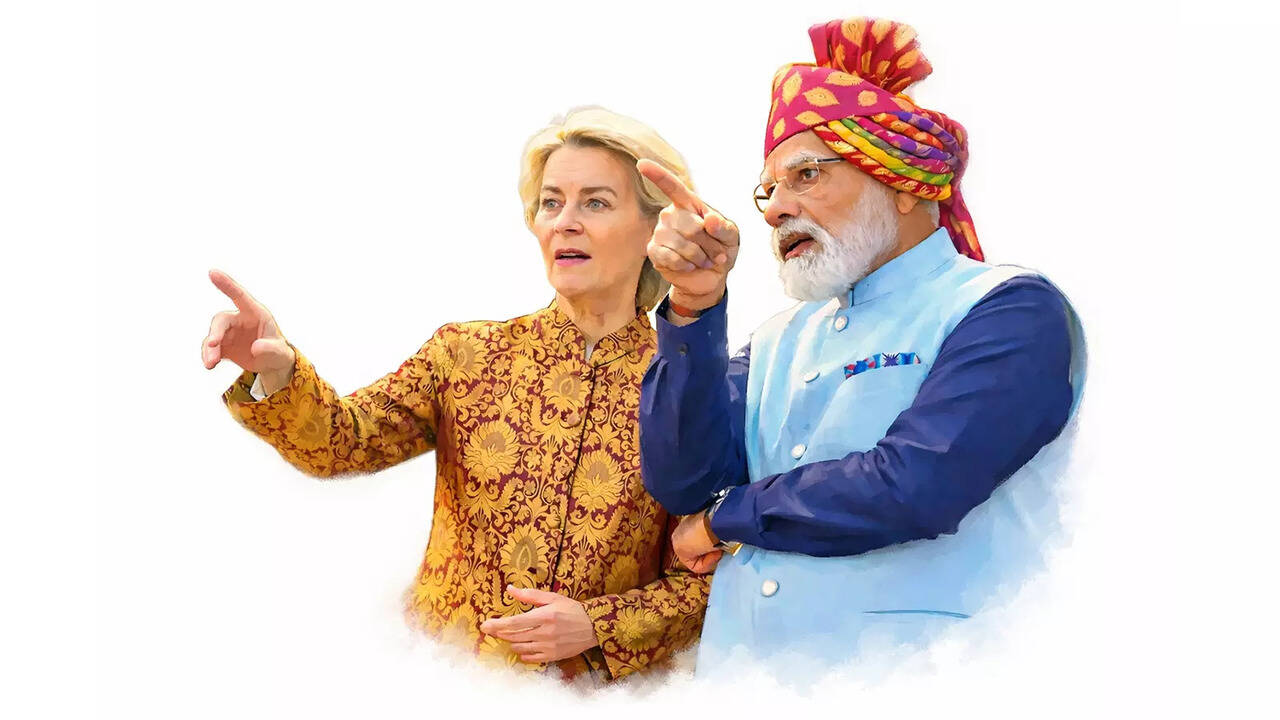
Business & Economy News: Ursula von der Leyen, president of European Commission, declared this week that Indian and EU negotiators had struck “the mother of all deals”. She ma.
In a landmark announcement that is poised to reshape global trade dynamics, European Commission President Ursula von der Leyen recently hailed the newly concluded Free Trade Agreement (FTA) between India and the European Union as nothing less than "the mother of all deals." This pronouncement underscores the monumental scale and far-reaching implications of an accord that has been meticulously negotiated for over a decade, finally culminating in a pact described as one of the most expansive and collaborative bilateral agreements in history.
The strategic timing of this agreement adds a layer of profound significance. Emerging from a period of global economic recalibration and supply chain vulnerabilities, the FTA serves as a powerful testament to a new era of international economic cooperation. It is not merely a traditional trade liberalization treaty but a meticulously crafted blueprint for modern commerce, emphasizing the critical need for greater alignment of regulatory frameworks, mutual recognition of standards, and a deep respect for each participating nation’s domestic priorities. This holistic approach is designed to ensure that the benefits of free trade are not only substantial but also sustainable and equitable.
Experts are already pointing to the immense potential for economic growth and industrial expansion within India as a direct consequence of this comprehensive deal. Visionary leaders within India's corporate landscape, such as N Chandrasekaran, have expressed bullish sentiments, predicting the emergence of "hundreds of new factories" across the nation. This optimistic outlook is rooted in the expected influx of foreign direct investment, enhanced market access to the vast European consumer base, and the creation of more resilient, integrated supply chains between the two economic powerhouses.
The agreement is expected to significantly boost India’s manufacturing sector, a key pillar of the nation's economic strategy. Sectors such as textiles, automotive components, pharmaceuticals, and digital services are anticipated to be major beneficiaries. With reduced tariffs and non-tariff barriers, Indian manufacturers will find it easier and more cost-effective to export their goods to the EU, fostering innovation, job creation, and technological advancement. Conversely, European businesses will gain unparalleled access to India's burgeoning market, driving mutual prosperity.
Beyond economic metrics, the FTA also signals a deepening of strategic ties between India and the EU. In a multipolar world, such alliances are crucial for fostering stability and promoting shared values. The collaborative spirit embedded within the agreement's structure aims to create a more predictable and transparent trade environment, encouraging long-term investments and partnerships that extend beyond mere commercial transactions. It sets a precedent for how major global economies can work together to build a more interconnected and prosperous future, addressing contemporary challenges from climate change to digital governance through a cooperative lens.
As the implementation phases begin, the global community will keenly observe how this "mother of all deals" translates into tangible economic benefits and reinforces the foundational principles of multilateralism. The promise of hundreds of new factories and the broader economic upliftment projected for India underscore the transformative potential of this historic agreement, paving the way for a new chapter in global trade and industrial development.
You Might Also Like

More in India
- "CBSE 10th Result 2026: Mid-April Release Expected Earlier"
- "महावीर जयंती 2026: 10 शिकवणी, शांती-यशाचा मार्ग उघडतील"
- "RBSE Class 12 Results 2026: Check Scores Fast, Avoid Website Crash"
- "Noida Airport: How It Solves Fog Delays & Long Check-In Lines"
- "CBSE 10th, 12th Results 2026: Expect April for Class 10?"
