India Loses Visa-Free Entry To Two Countries In 2026 Despite 10-Place Passport Ranking Jump
By NewsDose Team
Updated on February 15, 2026
5 min read
Key takeaways
India now ranks 75th in 2026, up from 85th in 2025 but has lost access to two countries to enter without a visa
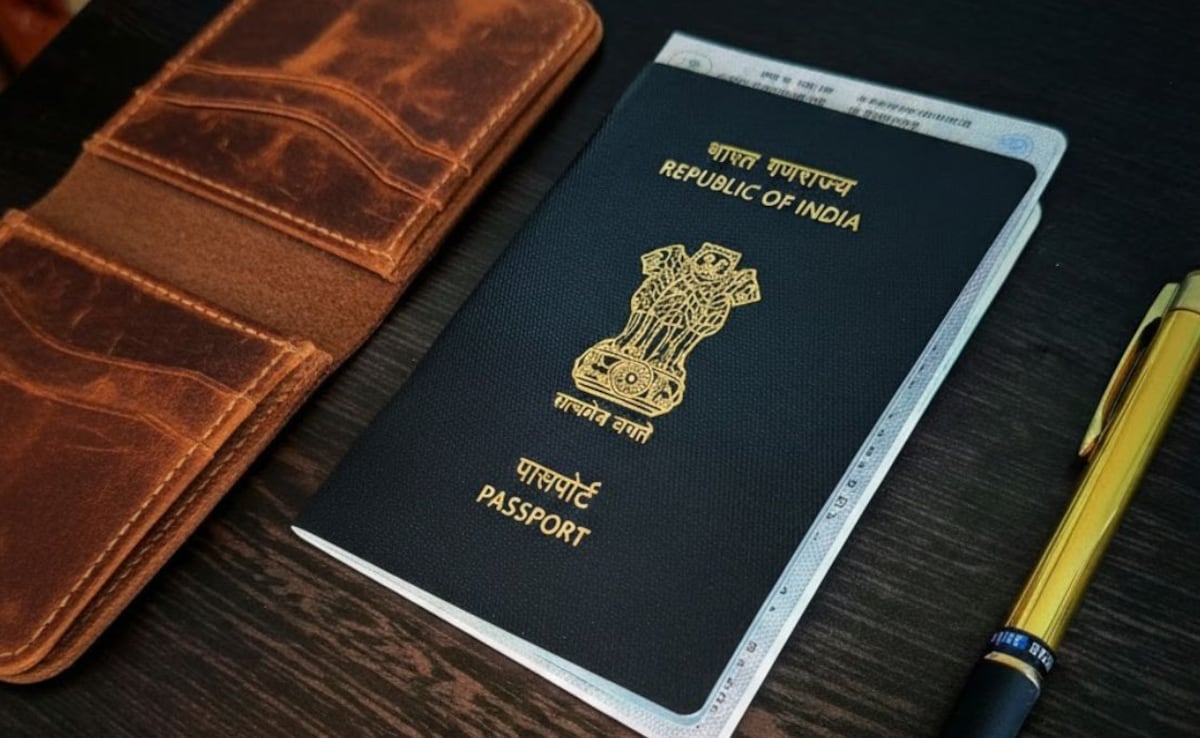
India's standing on the global mobility stage has taken a fascinating, somewhat paradoxical, turn. Despite a notable ascent in its international passport ranking, Indian passport holders find themselves with slightly fewer visa-free travel options compared to the previous year. This intriguing development is at the heart of the latest global passport index, which reveals a significant improvement in India's position while simultaneously highlighting a nuanced shift in travel access.
The updated index for 2026 places India at a respectable 75th position, marking an impressive 10-place leap from its 85th rank in 2025. This climb is particularly remarkable given that just a month prior, in January 2026, the nation stood at 80th. Such a rapid rise signals a positive perception of India's global engagement and diplomatic efforts in the broader international landscape. However, a deeper dive into the numbers reveals a more complex reality for the individual traveler.
Currently, the total number of destinations where Indian passport holders can enjoy visa-free entry, including visa-on-arrival and electronic travel authorizations (ETAs) that don't require pre-approval, stands at 56. While this represents a marginal increase from 55 destinations recorded in January 2026, it is still a reduction from the 57 destinations that were accessible without prior paperwork in 2025. This discrepancy begs the question: How can a passport climb the global leaderboard while simultaneously losing access to certain countries?
Unpacking the Global Passport Index Methodology
To fully grasp this apparent contradiction, it's crucial to understand the methodology behind the widely recognized global passport index. This comprehensive ranking system evaluates 199 passports against 227 different travel destinations worldwide. Its core objective is to measure the strength of a passport by assessing how many destinations its holders can access without needing to secure a visa before departure. The ranking relies on robust data provided by the International Air Transport Association (IATA), incorporating visa-free entry, visa-on-arrival, and certain electronic travel authorizations into its scoring criteria.
In essence, each passport earns a point for every destination that permits:
- Visa-free entry.
- Visa on arrival (where no prior application is needed).
- A visitor's permit issued directly at the border.
- A basic Electronic Travel Authorisation (ETA) that does not necessitate embassy approval or a complex pre-departure application process.
Conversely, if a traveler is required to apply for a visa in advance through an embassy or consulate, or if a pre-departure e-visa process demands approval before travel, that destination scores zero points. The accumulated points determine a passport's overall visa-free score, and countries are then ranked from highest to lowest. If multiple countries share the same score, they are assigned the same rank, reflecting the relative nature of the index.
The Two Destinations India Bid Farewell To
The reduction in India's visa-free access list can be primarily attributed to policy changes in two specific nations: Iran and Bolivia. In 2025, Indian passport holders could travel to 57 destinations without the need for a pre-approved visa. By early 2026, this number initially dipped to 55, before partially recovering to 56.
Iran: A Diplomatic Shift Driven by Security Concerns
Iran's decision to suspend visa-free entry for ordinary Indian passport holders came into effect in November 2025. This significant policy alteration was not a unilateral diplomatic move but rather a response to concerning incidents involving Indian nationals. Reports emerged of fraud and human trafficking cases where individuals were allegedly lured to the Islamic Republic with fraudulent job offers, only to be subsequently kidnapped for ransom.
India's Ministry of External Affairs confirmed these issues in a statement late last year, noting, "Individuals were tricked into journeying to Iran by taking advantage of the visa waiver facility available for ordinary Indian passport holders. On arrival in Iran, many of them were kidnapped for ransom." In light of these grave concerns, Tehran suspended the visa waiver facility. Consequently, from late November onwards, Indian travelers have been mandated to obtain a visa in advance. Since the global index only counts destinations that do not require prior approval, Iran no longer contributes to India's visa-free score.
Bolivia: A Technical Reclassification of Entry
Bolivia's change in policy for Indian citizens presents a different scenario. In 2025, Indian travelers could easily obtain a visa on arrival in Bolivia, a facility that fell within the index's definition of visa-free travel due to its lack of prior paperwork requirements. However, in 2026, Bolivia transitioned Indian travelers to an e-visa regime. This new system mandates applicants to complete an online application, upload necessary documents, and receive pre-approval before their departure. Because this process now requires prior authorization and a formal application, it no longer qualifies under the 'visa-on-arrival' or 'visa-free' categories as defined by the index's methodology. This technical shift effectively removed Bolivia from India's accessible list in the visa-free count.
The January Dip and February's Partial Recovery
The year 2026 itself has seen fluctuations in India's visa-free access. The initial January 2026 index reflected the losses of Iran and Bolivia, showing a reduced total of 55 accessible destinations. However, by February 2026, the tally saw a minor recovery with the inclusion of one new country: The Gambia. This addition partially offset the earlier losses, bringing the total back up to 56 destinations. It's a clear illustration of the dynamic nature of global visa policies and the constant shifts in international travel agreements.
- 2025: 57 'Visa-free countries'
- January 2026: 55 'Visa-free countries' (After losing Iran and Bolivia)
- February 2026: 56 'Visa-free countries' (Gained The Gambia, but still down from 2025's total)
Solving the Ranking Riddle: How India Climbed While Losing Access
The core paradox—an improved rank despite a slight dip in the raw number of visa-free destinations—is best understood by looking at the index as a relative leaderboard rather smart and sophisticated travel decisions to navigate the global landscape effectively.
The journey towards greater global mobility is ongoing, marked by both advancements and occasional setbacks, reflecting the intricate web of international relations and security considerations that shape travel possibilities for millions of passport holders worldwide.
You Might Also Like


More in India
- "CBSE 10th Result 2026: Mid-April Release Expected Earlier"
- "महावीर जयंती 2026: 10 शिकवणी, शांती-यशाचा मार्ग उघडतील"
- "RBSE Class 12 Results 2026: Check Scores Fast, Avoid Website Crash"
- "Noida Airport: How It Solves Fog Delays & Long Check-In Lines"
- "CBSE 10th, 12th Results 2026: Expect April for Class 10?"
