Plane That Ajit Pawar Died In Had Crashed In 2023 As Well
By NewsDose Team
Updated on January 28, 2026
5 min read
Key takeaways
In September 2023, the private plane skid off the runway and crashed while trying to land amid heavy rain at Mumbai airport.
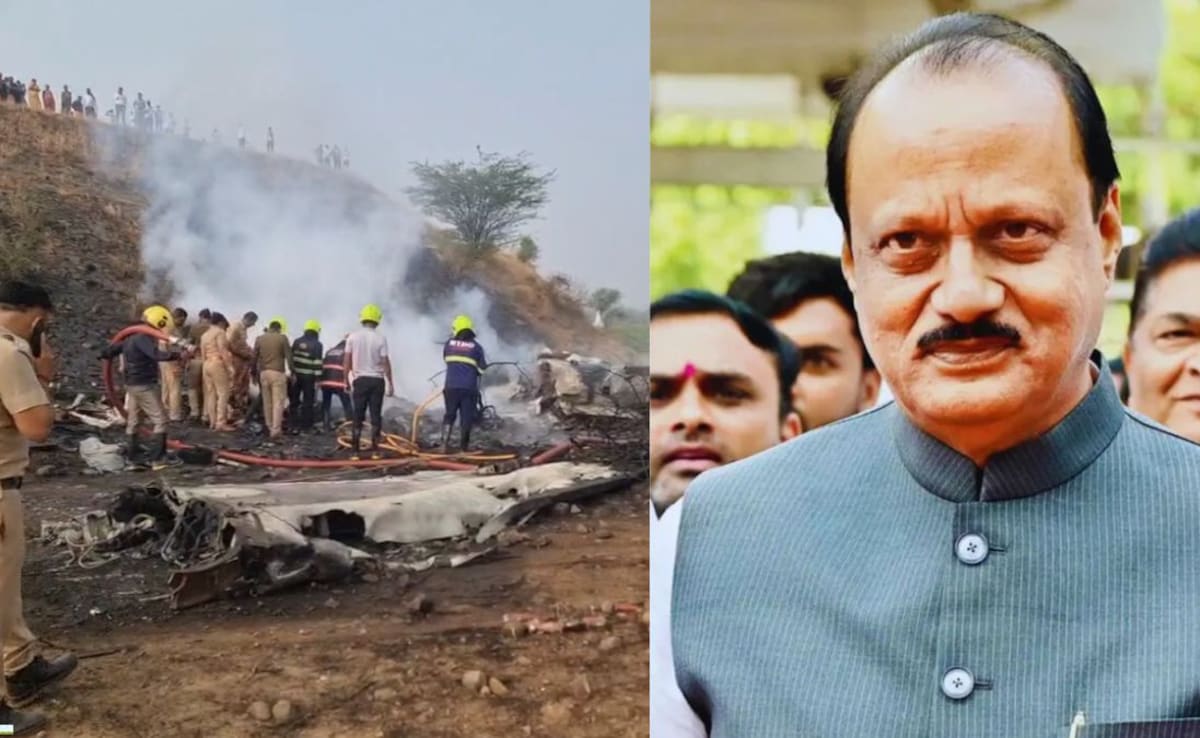
Maharashtra has been gripped by profound sorrow following the tragic death of Deputy Chief Minister Ajit Pawar in a devastating aircraft crash earlier this week. The incident, which occurred on Wednesday morning around 9 am in the Pune district, claimed the lives of Mr. Pawar and four other individuals, including the pilot and a crew member. This catastrophic event has sent shockwaves across the nation, bringing to light a chilling revelation: the very aircraft type operated by VSR Ventures involved in this latest disaster was also part of a previous, near-fatal incident in 2023.
The ill-fated aircraft, a Learjet 45 owned and operated by VSR Ventures, reportedly lost control during its landing approach at an airport in Baramati. Eyewitness accounts suggest a sudden loss of altitude before impact. Visuals from the crash site painted a grim picture, showing mangled wreckage and an immediate outbreak of fire, underscoring the severity of the incident and the challenges faced by emergency responders.
A Troubling Precedent: The September 2023 Incident
What has amplified the distress and raised serious questions about aviation safety protocols is the stark reminder of a previous crash involving a Learjet 45XR from the same operator, VSR Ventures. On September 14, 2023, this aircraft, bearing registration VT-SSK, skidded off the runway and crashed while attempting to land amidst heavy rainfall and severely reduced visibility at Mumbai’s Chhatrapati Shivaji Maharaj International Airport. While that incident, miraculously, did not result in fatalities, it left several injured, highlighting critical operational and weather-related risks.
The September 2023 flight was a non-scheduled passenger service, originating from Visakhapatnam and destined for Mumbai. On board were six passengers, alongside a highly experienced Pilot in Command holding an Airline Transport Pilot Licence (ATPL) and a co-pilot with a Commercial Pilot Licence (CPL). The initial leg of the journey was described as uneventful, with the aircraft establishing contact with Mumbai air traffic control and receiving clearance for landing on Runway 27.
However, as the aircraft approached Mumbai, adverse weather conditions prevailed, with heavy rains and poor visibility reported. Despite receiving wind information for Runway 27 (140 degrees at 7 knots), the situation quickly deteriorated. According to a detailed report from the Ministry of Civil Aviation, approximately 40 seconds after the autopilot was disengaged, the cockpit was inundated with critical warnings. A 'stick shaker' and 'stall warning' alert sounded, followed by multiple alerts from the Enhanced Ground Proximity Warning System (EGPWS).
The aircraft began to drift continuously to the right of Runway 27, veering towards Apron C. The subsequent crash-landing occurred on the shoulder near the intersection of two taxiways, W and N. The impact was severe, causing the fuselage to fracture into two distinct sections as the aircraft skidded to a halt. A fire erupted post-impact, prompting an immediate and frantic evacuation of all occupants. While all on board sustained injuries, the passengers and the Pilot-in-Command were fortunate to be discharged after initial medical attention. Tragically, the co-pilot endured serious injuries, necessitating an extended period of hospitalisation and recovery.
About VSR Ventures: A Closer Look
VSR Ventures Pvt Ltd, operating under the legal name VSR aviation, is a New Delhi-based non-scheduled air transport operator. The company specializes in a range of services including private jet charters, crucial medical evacuations, and aviation consultancy. The Learjet 45XR, which was involved in both these significant incidents, is part of a class of "super-light" business jets developed in the 1990s, designed to compete in the executive travel market. These jets are known for their speed and efficiency, but the recent incidents have inevitably brought their operational safety, particularly under challenging conditions, into sharp focus.
The dual tragedies involving aircraft operated by the same company and, in the case of the September 2023 incident, the same specific aircraft type, underscore the urgent need for comprehensive investigations. Aviation experts and regulatory bodies are expected to conduct rigorous inquiries into maintenance records, operational procedures, pilot training, and the circumstances surrounding both crashes. The findings will be crucial not only for understanding the specific causes of these lamentable events but also for implementing necessary reforms to prevent future occurrences and restore public confidence in air travel safety within the region.
You Might Also Like


More in India
- "CBSE 10th Result 2026: Mid-April Release Expected Earlier"
- "महावीर जयंती 2026: 10 शिकवणी, शांती-यशाचा मार्ग उघडतील"
- "RBSE Class 12 Results 2026: Check Scores Fast, Avoid Website Crash"
- "Noida Airport: How It Solves Fog Delays & Long Check-In Lines"
- "CBSE 10th, 12th Results 2026: Expect April for Class 10?"
