16% to 67% in 14yrs: Why your consumer case is now far more likely to drag beyond a year
By NewsDose Team
Updated on March 20, 2026
5 min read
Key takeaways
Law News: Consumer courts were set up to provide a fast and affordable grievance redress mechanism for the common citizen and reduce the burden on the judicial .
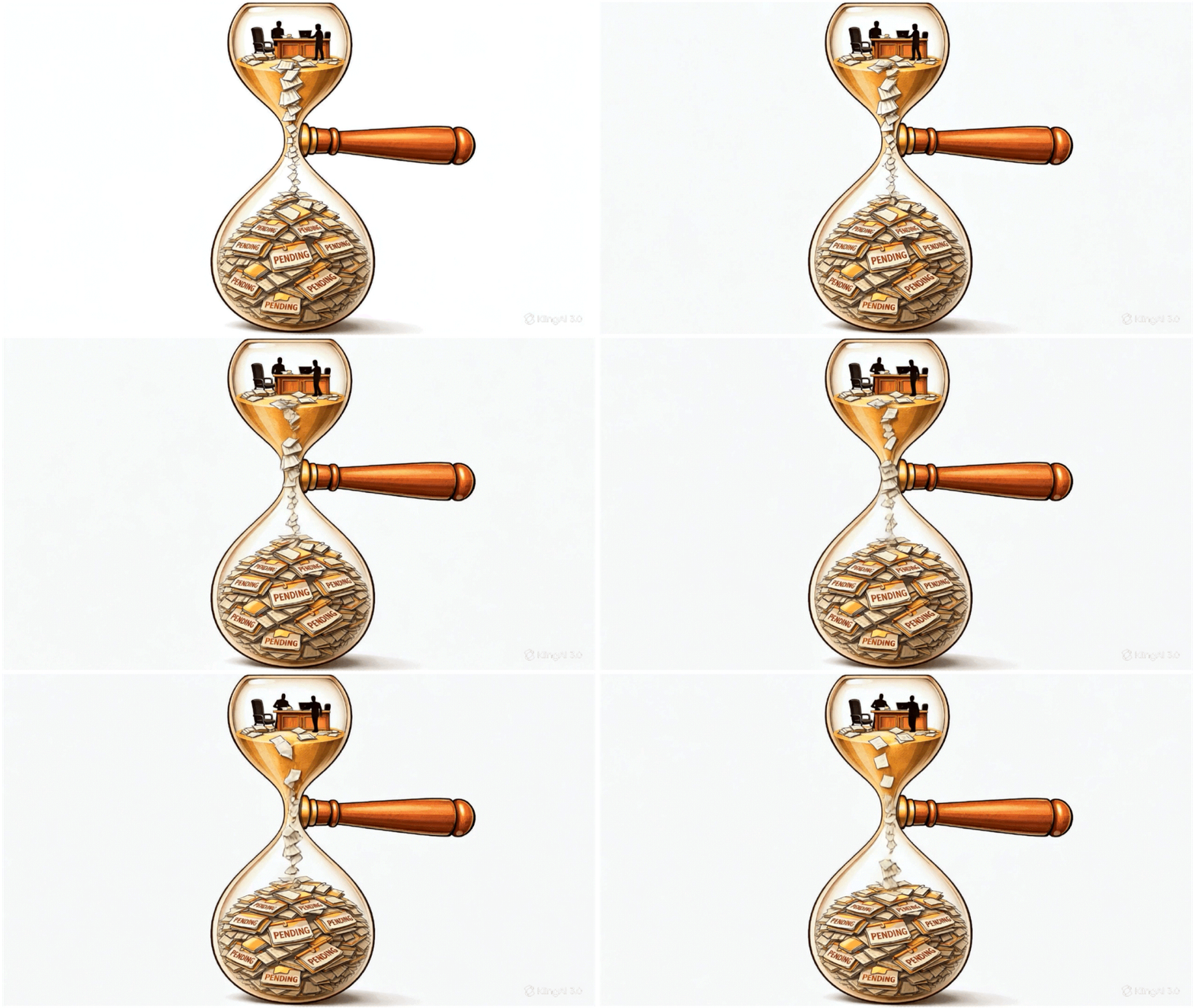
India's consumer courts, originally envisioned as pillars of swift and accessible justice for the common citizen, are grappling with a growing crisis of protracted delays. Established to offer a fast and affordable grievance redress mechanism and alleviate the immense burden on the broader judicial system, these specialized tribunals are increasingly struggling to fulfill their foundational promise.
A stark revelation from the recently published Consumer Justice Report 2026 highlights a worrying trend: a significant increase in case pendency. The report underscores that consumer disputes are now far more likely to extend beyond a year, reflecting a systemic challenge that impacts millions seeking timely resolution.
Analysis within the report indicates a dramatic shift over the past 14 years, with the percentage of cases dragging on for over a year soaring from an estimated 16% to a staggering 67%. This alarming escalation points to fundamental issues undermining the efficiency of the consumer protection framework. While these courts were designed to be nimble, the current reality suggests they are becoming entangled in the very bureaucratic delays they were meant to bypass.
The bulk of these burgeoning cases, the report notes, originate from two critical sectors: housing and insurance. Disputes related to real estate, ranging from delayed possession to quality defects, and complex insurance claims form a substantial portion of the caseload, contributing significantly to the backlog. This concentration suggests a need for targeted interventions within these industries to reduce the influx of grievances into the judicial system.
Furthermore, the Consumer Justice Report 2026 reveals a wide disparity in the disposal rates among different states and Union Territories. While some regions demonstrate commendable efficiency in processing and resolving consumer complaints, others lag significantly, exacerbating the national average for pendency. This variation points to uneven administrative capacities, judicial resources, and perhaps differing levels of political will or infrastructure investment across the nation.
The prolonged wait for justice not only erodes public trust in the system but also imposes considerable financial and emotional tolls on complainants. For ordinary citizens, a fast resolution is paramount, as delays can lead to further financial losses, mental anguish, and a sense of helplessness. As India strives to strengthen its consumer protection laws and empower its citizens, addressing the root causes of this judicial sluggishness in consumer courts becomes an imperative. Robust reforms, increased staffing, better technological integration, and continuous monitoring of state-level performance are crucial steps towards restoring faith in the system and ensuring that consumer justice is not just a promise, but a reality.
You Might Also Like


More in India
- "CBSE 10th Result 2026: Mid-April Release Expected Earlier"
- "महावीर जयंती 2026: 10 शिकवणी, शांती-यशाचा मार्ग उघडतील"
- "RBSE Class 12 Results 2026: Check Scores Fast, Avoid Website Crash"
- "Noida Airport: How It Solves Fog Delays & Long Check-In Lines"
- "CBSE 10th, 12th Results 2026: Expect April for Class 10?"
