Bengaluru's Basque Bakery Defends Its "Rude" Statements To Customers Who Called Them "Overpriced"
By NewsDose Team
Updated on February 15, 2026
5 min read
Key takeaways
Bengalurus Basque Bakery slammed back at online critics who called its "authentic" products "overpriced" and "tasteless".
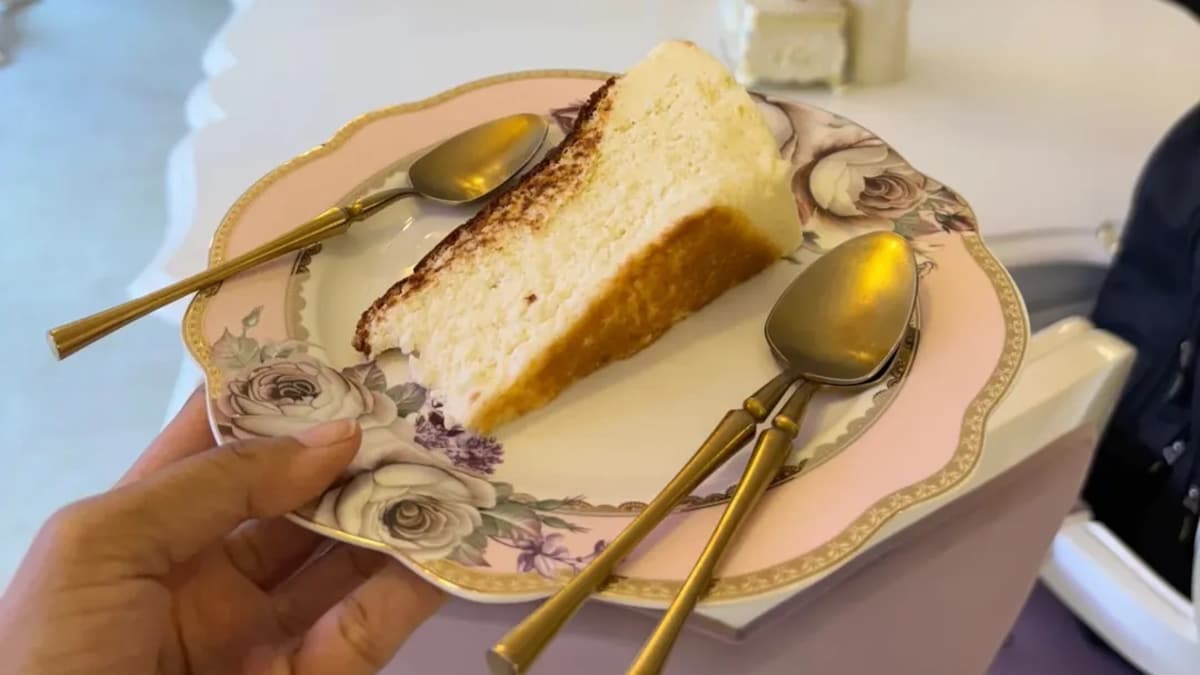
Bengaluru’s culinary landscape, often celebrated for its innovative spirit and diverse offerings, finds itself captivated by an unfolding drama centered around Basque Bakery, a revered patisserie in the vibrant Koramangala district. Known for its exquisite, premium, and often niche desserts, particularly its iconic burnt cheesecakes, the bakery has become the focal point of intense online debate following a series of controversial exchanges with customers on social media platforms.
The saga began when the establishment, which prides itself on cultivating a discerning clientele, started openly confronting online critiques. What started as feedback quickly escalated into a public spectacle, drawing widespread attention across various online communities. The bakery’s responses to what it perceived as demeaning remarks quickly went viral, igniting a firestorm of discussion regarding customer service, brand integrity, and the delicate balance of online engagement for luxury businesses.
One particular incident, widely circulated across platforms like Reddit, epitomizes the nature of the escalating conflict. In a screenshot that garnered thousands of reactions, the bakery responded to a customer with a stark, "Bad math, poor, bad vocabulary. Bye." This sharp retort came after the customer had posted a critical comment on one of the bakery's Instagram videos, questioning its online reputation and accusing the establishment of a "dirty and cheap mindset." The customer's original comment further challenged the bakery's perceived class and its method of engaging with feedback, stating, "Your class isn't measured by your imagination rather it's in the reality! Wake up, fools! I'd say what class actually means, but you'd never get it. Your class is already reflected in the way you reply to the comments online, don't bother trying to look cool." The bakery’s subsequent reply, far from diffusing the situation, only intensified the backlash, with many social media users condemning its "rude" and "elitist" tone.
Amidst the growing clamour, the founders of Basque Bakery finally released an official statement via their Instagram page, aiming to address the mounting criticism head-on. In a post that they described as "bold" and necessary, they defended their controversial comments as essential to safeguarding their unique brand identity and their "discerning niche." The statement opened with, "WE WOULD LIKE TO ADDRESS THE RECENT BACKLASH SURROUNDING A COMMENT WE MADE ON ONE OF OUR REELS," proceeding to elaborate on their perspective. They acknowledged the perception of their response being "bold" but emphasized their awareness of "demeaning remarks" such as "overpriced" and "tasteless." The founders articulated their desire to "share our side of the story" and "break down the reality of our Brand's situation," signalling a deeper narrative behind their actions.
The bakery's leadership went further, categorizing much of the online negativity as symptomatic of a broader "scam culture" prevalent in India. They shared insights into their operational philosophy, highlighting their "meditative" kitchen practices which, they asserted, uphold Michelin-level standards in craftsmanship and quality. The statement painted a picture of challenges faced by their staff, noting, "A significant number of people visit the store solely to take photographs without making a purchase and disrespect the staff, and then make manipulative claims of rudeness when they are not entertained." They also pointed to a "recurring pattern of the same individuals returning repeatedly, despite their persistent negativity toward us," suggesting a targeted campaign of criticism. Concluding this part of their defense, the founders lamented, "We have come to realise that authentic talent, especially at a brand level, is deeply underappreciated and undervalued in our country due to the normalisation of scam culture."
In an effort to provide context and underscore their commitment, the founders also recounted their journey, detailing how they meticulously built the brand from the ground up. They emphasized that this enterprise was established without the aid of "investors, funding or familial financial support," with every aspect crafted from scratch. This narrative aimed to convey the immense dedication and passion invested into their patisserie, reinforcing their claim of maintaining unwavering authenticity across all products. This dedication, they argued, directly underpins their "exclusive reservation-only" model, a deliberate strategy to ensure a curated experience for genuine patrons.
Unsurprisingly, the bakery's latest communication has once again polarized public opinion. While a segment of online users lauded the founders for their resolute stance and refusal to compromise on what they perceive as brand integrity and artistic value, many others found the defense equally, if not more, contentious. Critics viewed the bakery's explanations as deflecting responsibility and exhibiting an elitist attitude. Comments poured in, reflecting the diverse perspectives. One user passionately expressed, "A little humbleness goes a long way, guys," while another regretted previous recommendations, stating, "I also recommended your place to a few of my friends. I regret doing that. I don't wish to be associated with an establishment that calls people 'poor' and behaves in a childish manner when confronted with feedback." A particularly pointed comment summarized a common sentiment: "So you're saying 'some people were rude to us, so we've decided to be rude to everyone who doesn't say great things about us? Great strategy!!" and another simply advised, "Take ur elitism elsewhere."
The ongoing discourse surrounding Basque Bakery highlights the evolving challenges for high-end brands in the digital age. Navigating the fine line between maintaining an exclusive image and engaging respectfully with a broader online audience remains a complex task. This controversy not only sheds light on the specific operations of a premium patisserie but also sparks a wider conversation about consumer expectations, the perils of social media communication, and the appreciation of artisanal craftsmanship in a rapidly digitizing world.
You Might Also Like


More in India
- "CBSE 10th Result 2026: Mid-April Release Expected Earlier"
- "महावीर जयंती 2026: 10 शिकवणी, शांती-यशाचा मार्ग उघडतील"
- "RBSE Class 12 Results 2026: Check Scores Fast, Avoid Website Crash"
- "Noida Airport: How It Solves Fog Delays & Long Check-In Lines"
- "CBSE 10th, 12th Results 2026: Expect April for Class 10?"
