Surat Man Wanted To Withdraw Rs 10,000. ATM Glitch Gave Him Rs 3 Lakh
By NewsDose Team
Updated on March 20, 2026
5 min read
Key takeaways
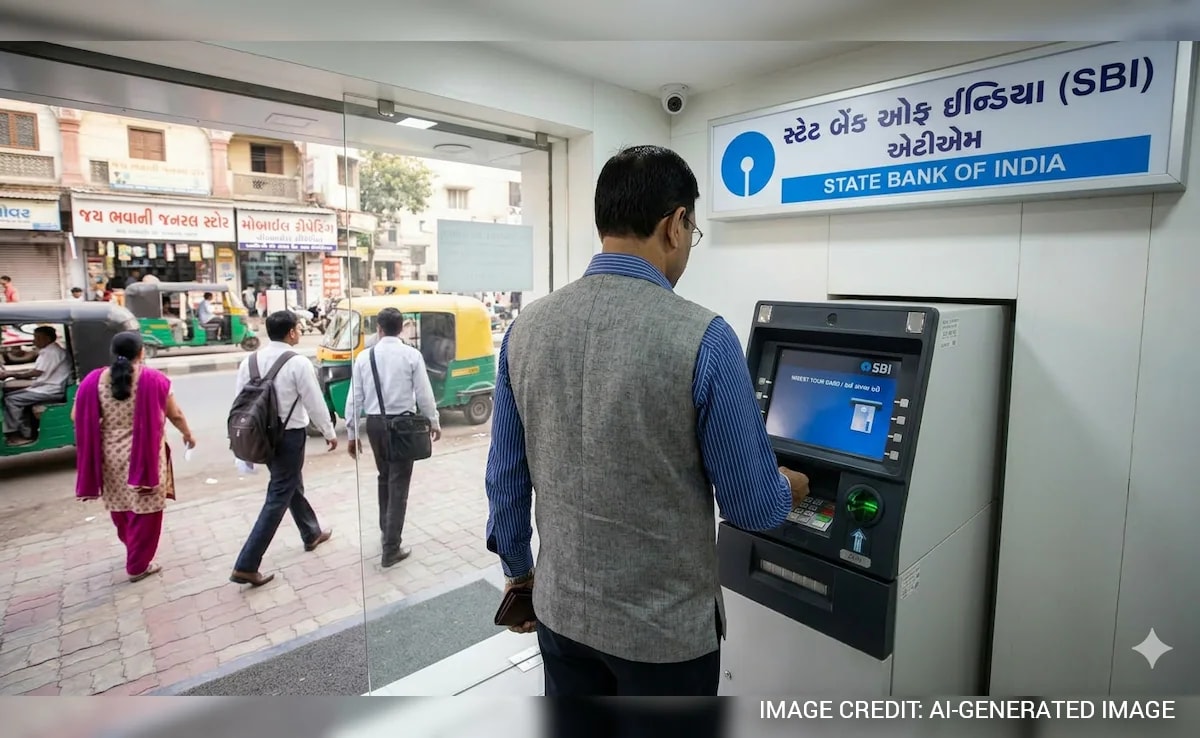
What started as a simple attempt to withdraw Rs 10,000 from an ATM in Gujarat's Surat has turned into one of the costliest cashdispensing errors for a bank in recent times.
What began as a routine attempt to withdraw Rs 10,000 from an automated teller machine (ATM) in Gujarat's Surat in 2017 has escalated into one of the most substantial penalties faced by a financial institution for a cash-dispensing error. Almost a decade later, the saga has culminated in a consumer commission mandating a specific financial institution to pay nearly 30 times the initial amount, setting a significant precedent for consumer rights and banking accountability in India.
The ordeal dates back to February 18, 2017. A customer in Surat's Udhna area attempted to withdraw Rs 10,000 from an ATM operated by a prominent public sector bank. Despite successfully inserting their card and entering the PIN, the machine failed to dispense any cash. Compounding the confusion, no receipt was printed. Moments later, the customer received an alarming message confirming that Rs 10,000 had been debited from their account, plunging them into a state of shock and disbelief.
The immediate follow-up proved futile. The customer promptly filed a written complaint at the Dumbhal branch of their own bank on February 21, 2017. Over the subsequent months, from March to May 2017, a relentless series of follow-ups ensued through emails and personal visits, yet the issue remained unresolved. The initial frustration soon turned into exasperation as the customer found themselves caught in a bureaucratic tangle with no clear path to resolution.
Determined to reclaim their rightful funds, the customer broadened their appeal. They reached out to the Reserve Bank of India (RBI) and various other regulatory authorities, hoping for a swift intervention. Further, an application was filed under the Right to Information (RTI) Act with the ATM-operating bank, seeking crucial CCTV footage that could corroborate their claim. Despite these extensive efforts, no satisfactory response or resolution was forthcoming from any authority, leaving the customer with no option but to seek legal recourse.
Finally, on December 20, 2017, nearly ten months after the incident, the aggrieved customer approached the consumer forum. During the subsequent hearings, the customer's bank mounted a defense, arguing that the ATM from which the withdrawal was attempted belonged to another banking entity. They contended that their records indicated the transaction as 'successful' and therefore, they should not be held responsible for the dispute.
However, the consumer commission meticulously reviewed the facts and dismissed this argument. The commission underscored that the bank had a fundamental responsibility to provide irrefutable evidence related to the transaction's success. Crucially, it highlighted that, as per established RBI guidelines, the amount in question should have been automatically refunded to the customer within a strict five-day window following the failed transaction. The bank's failure to adhere to this critical regulation played a pivotal role in the commission's decision.
In its landmark final order, the commission issued a comprehensive directive against the customer's bank. The directives included:
- A full refund of the original Rs 10,000, compounded with a 9% annual interest from the date of the transaction.
- A significant daily compensation of Rs 100 for every day of delay in resolving the issue.
As of February 26, 2026, the protracted delay had accumulated to a staggering 3,288 days. This pushed the compensation amount alone to Rs 3,28,800. Additionally, the bank was ordered to pay Rs 3,000 as compensation for the mental harassment endured by the customer over these years, alongside Rs 2,000 towards legal expenses incurred during the long-drawn battle for justice. The total sum payable thus far underscores the profound cost of banking oversight and delayed grievance redressal.
This ruling by the consumer commission serves as a powerful reminder of consumer rights and the stringent accountability expected of financial institutions. It emphasizes that banks cannot shirk responsibility for transactional errors, even if involving third-party ATMs, especially when they fail to comply with regulatory mandates like the RBI's five-day refund policy. This case is likely to prompt a re-evaluation of customer service protocols and dispute resolution mechanisms across the banking sector, ensuring that such costly and prolonged customer grievances become a rarity rather than a precedent.
You Might Also Like


More in India
- "CBSE 10th Result 2026: Mid-April Release Expected Earlier"
- "महावीर जयंती 2026: 10 शिकवणी, शांती-यशाचा मार्ग उघडतील"
- "RBSE Class 12 Results 2026: Check Scores Fast, Avoid Website Crash"
- "Noida Airport: How It Solves Fog Delays & Long Check-In Lines"
- "CBSE 10th, 12th Results 2026: Expect April for Class 10?"
