Surat Man Wanted To Withdraw Rs 10,000. ATM Glitch Gave Him Rs 3 Lakh
By NewsDose Team
Updated on March 20, 2026
5 min read
Key takeaways
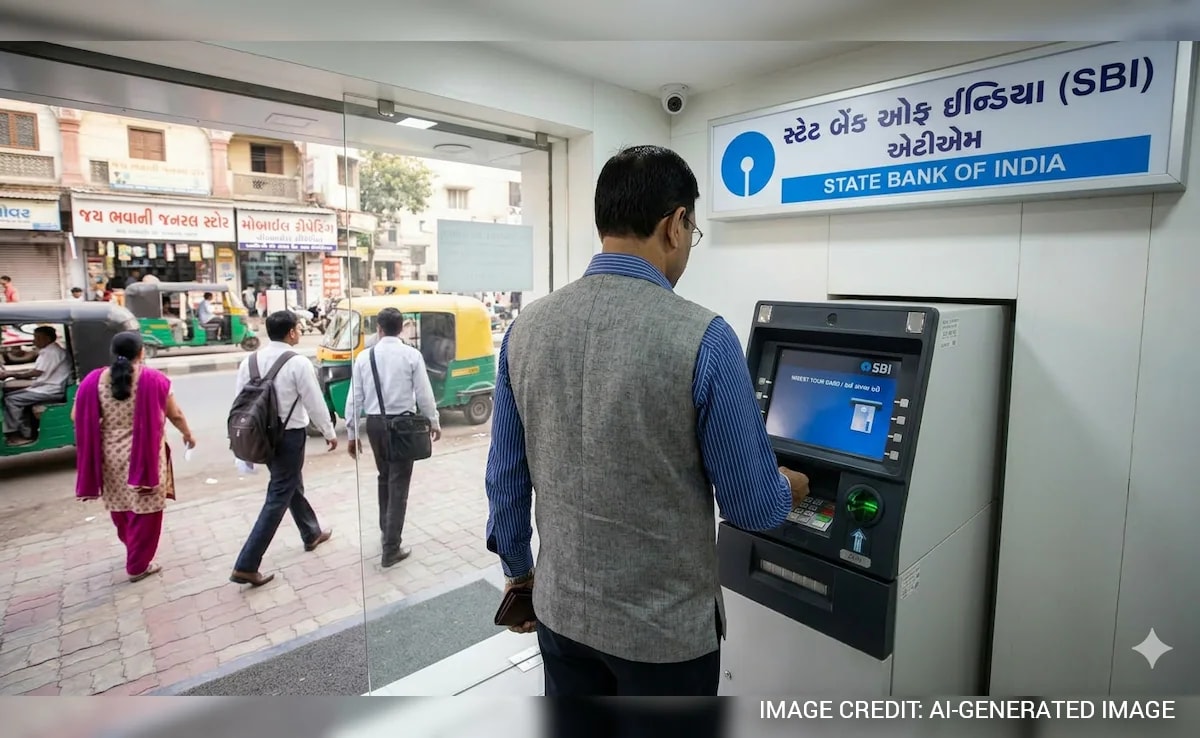
What started as a simple attempt to withdraw Rs 10,000 from an ATM in Gujarat's Surat has turned into one of the costliest cashdispensing errors for a bank in recent times.
What began as a routine attempt to withdraw Rs 10,000 from an Automated Teller Machine (ATM) in Gujarat's vibrant city of Surat has culminated in an unprecedented financial penalty for a prominent banking institution. This saga, stretching over nearly a decade, highlights the critical importance of robust customer grievance redressal mechanisms and the potential costs of administrative oversight within the banking sector.
The incident dates back to February 18, 2017. A customer, attempting a standard Rs 10,000 withdrawal at an ATM in Surat's Udhna area, encountered a significant glitch. Despite correctly inserting his card and entering his Personal Identification Number (PIN), the machine failed to dispense any cash and did not provide a transaction receipt. To his dismay, almost immediately after, he received an SMS notification confirming that Rs 10,000 had indeed been debited from his account, leaving him shocked and financially impacted.
What followed was a frustrating and protracted battle for justice. The aggrieved customer promptly lodged a formal written complaint with his bank's Dumbhal branch on February 21, 2017. Over the subsequent months, from March to May of that year, he diligently pursued his case through numerous email correspondences, seeking a swift resolution. His efforts extended to reaching out to various regulatory bodies and other authorities, desperately searching for an answer. In a bid to gather irrefutable evidence, he even filed an RTI (Right to Information) request with the ATM-owning bank to secure CCTV footage of the incident. Regrettably, none of these avenues provided a satisfactory outcome or led to the refund of his money.
Left with no recourse and facing continuous inaction, the customer escalated the matter to the consumer forum on December 20, 2017. During the subsequent hearings, the customer's bank defended its position by asserting that the ATM belonged to a different financial institution and that their internal records showed the transaction as "successful." They, therefore, argued that they held no responsibility for the alleged error or the subsequent delay.
However, the consumer commission meticulously reviewed the evidence and arguments presented by both parties. It decisively dismissed the bank's contention, emphasizing that the financial institution had a fundamental obligation to furnish concrete proof pertaining to the transaction's alleged success. Crucially, the commission cited stringent guidelines from the nation's central bank, which mandate that such disputed amounts must be refunded to the customer within a mere five days. The bank's unequivocal failure to adhere to this critical timeframe was a significant factor in the commission's ruling, highlighting a clear lapse in duty.
In its landmark final order, the consumer commission issued a comprehensive directive for the bank to take several corrective and compensatory actions:
- Immediately refund the original Rs 10,000 that was wrongfully debited, along with a 9% annual interest rate, calculated from the date of the incident until the payment is made.
- Pay a daily compensation of Rs 100 for the prolonged and inexcusable delay in resolving the issue. This compensation was calculated until February 26, 2026, spanning an astonishing 3,288 days. This accumulated a substantial sum of Rs 3,28,800.
- Additionally, the bank was ordered to pay Rs 3,000 as recompense for the mental harassment and distress endured by the customer throughout this arduous and drawn-out process.
- Finally, an amount of Rs 2,000 was mandated to cover the customer's legal expenses incurred during his diligent pursuit of justice.
When tallied, the total amount payable by the bank far exceeds the initial Rs 10,000, illustrating the severe repercussions of delayed complaint resolution and the profound importance of accountability within the banking sector. This case serves as a powerful reminder to all financial institutions about the imperative of transparent operations, robust customer service, and timely adherence to regulatory mandates, especially when dealing with the trust placed in them by their patrons.
For consumers across the nation, this significant ruling provides a beacon of hope, demonstrating that persistence in seeking redressal can ultimately lead to justice, even against seemingly insurmountable bureaucratic hurdles. It underscores the strength of consumer rights laws and the effectiveness of forums designed to protect them, fostering greater confidence in the system for managing financial disputes.
You Might Also Like


More in India
- "CBSE 10th Result 2026: Mid-April Release Expected Earlier"
- "महावीर जयंती 2026: 10 शिकवणी, शांती-यशाचा मार्ग उघडतील"
- "RBSE Class 12 Results 2026: Check Scores Fast, Avoid Website Crash"
- "Noida Airport: How It Solves Fog Delays & Long Check-In Lines"
- "CBSE 10th, 12th Results 2026: Expect April for Class 10?"
