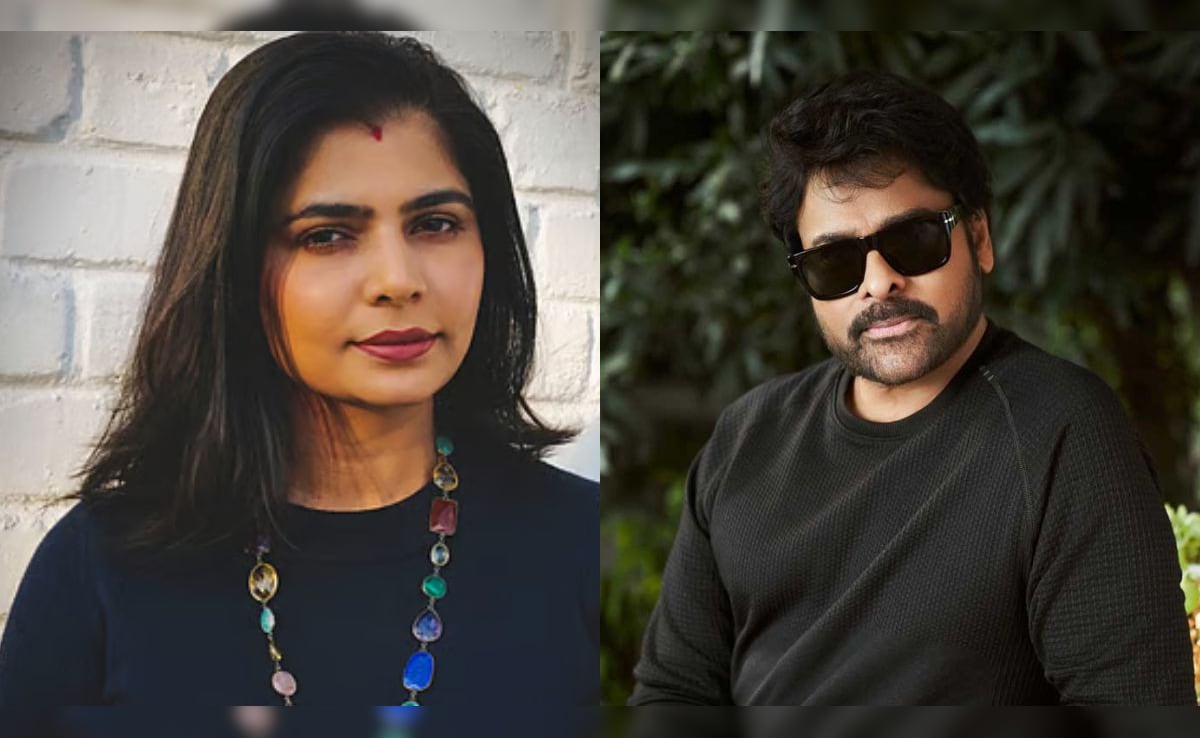
Chinmayi Sripada On Chiranjeevi's Viral Casting Couch Comment: "Didn't Get Molested By Vairamuthu Because I Was Asking For It"
By NewsDose Team
Updated on January 28, 2026
5 min read
Key takeaways
At the <i>Mana Shankara Varaprasad Garu</i> event, Chiranjeevi, 70, denied the presence of a casting couch in the Telugu film industry
Veteran Telugu actor Chiranjeevi has found himself at the center of a significant industry debate following his controversial remarks regarding the existence of a 'casting couch' within the Telugu film industry. The comments, made on January 25 at the success event for his latest film, 'Mana Shankara Varaprasad Garu' in Hyderabad, swiftly drew widespread criticism, most notably from acclaimed singer Chinmayi Sripada, who took to social media to articulate a strong rebuttal.
Chiranjeevi, aged 70, unequivocally denied the prevalence of exploitation in the industry. He stated, “There’s no such thing as a ‘casting couch’ or anything like that. It depends on your behaviour. You shouldn’t have any insecurity about how things might be. Be professional, and others will be professional too.” He further elaborated on his vision of the industry, likening it to a mirror that reflects one’s own conduct. “This industry is like a mirror; what you give is what you get back. So, for anyone who wants to enter this industry with courage, come with determination, strong resolve, and hard work as your support. This is a great industry—everyone will thrive, whether they are girls or boys.” He concluded by suggesting that any negative experiences are the fault of the individual, asserting, “If you are strict and serious, no one will try to take advantage of you.”
These assertions quickly ignited a firestorm, with Chinmayi Sripada emerging as a prominent voice challenging the veteran star’s perspective. In a detailed social media post, Chinmayi firmly countered Chiranjeevi’s claims, highlighting the stark reality faced by many aspiring artists. She wrote, “Casting couch is rampant; women are refused roles if they don’t offer ‘full commitment’—a word that means something completely different in the film industry.”
Chinmayi drew a distinction between Chiranjeevi’s generation and the contemporary landscape of the film world. She observed, “Legendary Chiranjeevi garu comes from a generation where they were all friends—or even family friends—with their female co-artists. They mutually respected each other, worked with legends, and they are all legends themselves.” This comment subtly suggested a disconnect between the established, powerful figures and the vulnerabilities of newcomers in today’s evolving industry.
Furthermore, Chinmayi challenged Chiranjeevi’s ‘industry as a mirror’ analogy. She contended, “Girls are now aspiring to work in the film industry from abroad, where they have a broad worldview, are highly educated, and know what’s going on here. So, no—the industry is not a mirror that reflects who you are.” This statement underscored the changing aspirations and global awareness of new entrants, who are often well-informed about systemic issues.
Bringing a deeply personal dimension to her argument, Chinmayi recounted her own harrowing experience with alleged sexual harassment. She stated, “I didn’t get molested by Vairamuthu because I was asking for it. I was barely an adult out of my teens; I respected him as a mentor and legendary lyricist—and didn’t think he was an unsafe OLLLLLDER man. My mother was literally in the same premises—he molested me anyway.” This powerful testimonial served to illustrate the dynamics of power and vulnerability, directly contradicting the notion that an individual’s 'behaviour' is solely responsible for such incidents.
This particular incident refers to Chinmayi’s public accusation during India’s #MeToo movement in 2018, where she accused acclaimed lyricist Vairamuthu of sexual abuse during a concert in Switzerland in 2005. Her outspoken stance and support for other women who had named industry figures, including Radha Ravi, president of a prominent dubbing union, led to her removal from the South Indian Cine, Television Artistes and Dubbing Artistes Union (SICTADAU), highlighting the significant personal and professional risks involved in speaking out against harassment within the industry.
The debate ignited by Chiranjeevi’s remarks and Chinmayi Sripada’s forceful counter-arguments underscores the ongoing discussions around workplace safety, accountability, and the power structures within the entertainment industry. It highlights the continued struggle for many aspiring artists, particularly women, to navigate professional environments free from exploitation, and the importance of open dialogue from all levels of the industry.
You Might Also Like

More in Entertainment
- "Surbhi Jyoti's Baby Bump Reveal: Fans Melt at 'Walking Love Letter'"
- "Laughter Chefs 3: Bharti, Krushna's Boss Lady Coup Rocks Show"
- "KKK 15 Cast Mystery SOLVED: Bigg Boss Trio Joins Shetty!"
- "Bharti Singh & Haarsh Finally Reveal Son Kaaju's Face"
- The 50: Rajat Dalal passes a derogatory remark against Nehal Chudasama after task; says, “jinko too much attitude hota hai na aison ko toh mai yaha rakhta hu” |
