Chinmayi Sripada On Chiranjeevi's Viral Casting Couch Comment: "Didn't Get Molested By Vairamuthu Because I Was Asking For It"
By NewsDose Team
Updated on January 28, 2026
5 min read
Key takeaways
At the <i>Mana Shankara Varaprasad Garu</i> event, Chiranjeevi, 70, denied the presence of a casting couch in the Telugu film industry
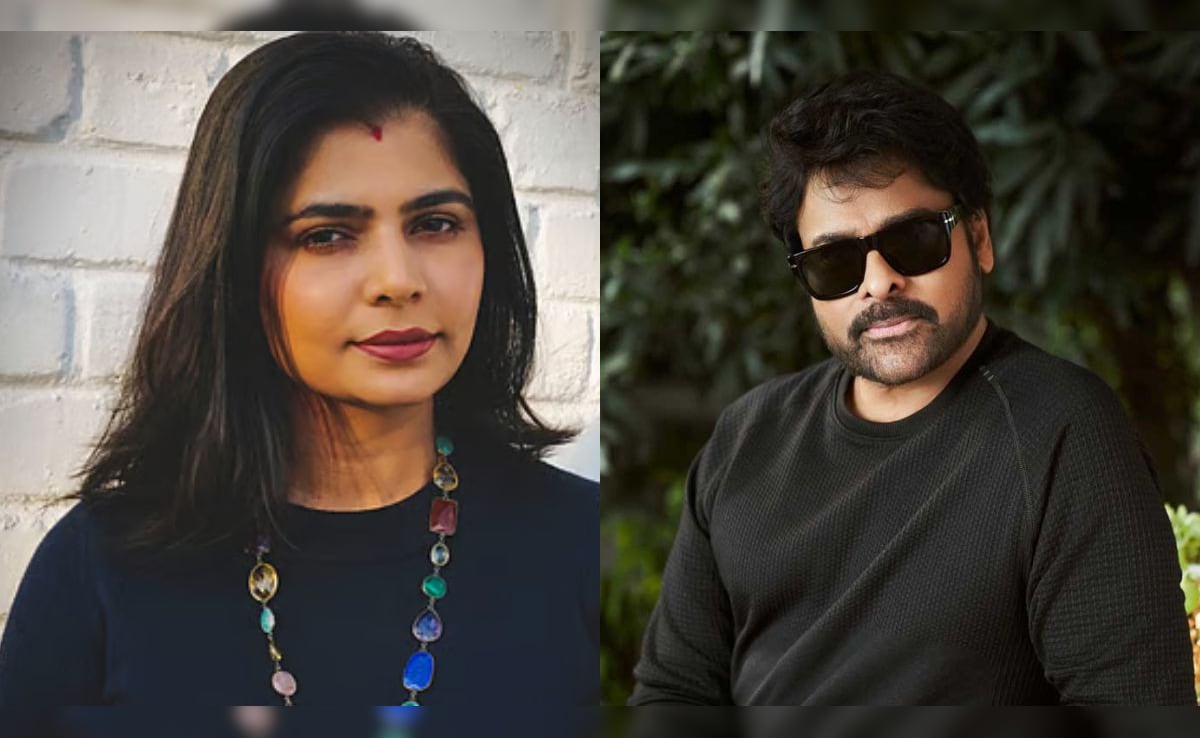
A recent statement by veteran Telugu actor Chiranjeevi has ignited a fierce debate within the entertainment industry, particularly concerning the contentious issue of the 'casting couch'. Speaking at the success event for his latest film, 'Mana Shankara Varaprasad Garu', in Hyderabad on January 25, the megastar controversially dismissed the existence of such exploitative practices. His comments quickly drew sharp criticism, most notably from acclaimed singer Chinmayi Sripada, who took to a popular social media platform to articulate a powerful rebuttal.
During the promotional event for his recently released film, 'Mana Shankara Varaprasad Garu', Chiranjeevi, a revered figure celebrating his 70th year, addressed aspiring artists and veterans alike. It was here that he unequivocally stated:
"There's no such thing as a 'casting couch' or anything like that. It depends on your behaviour. You shouldn't have any insecurity about how things might be. Be professional, and others will be professional too."
The veteran actor further elaborated on his perspective, portraying the industry as a meritocracy. He asserted:
"This industry is like a mirror; what you give is what you get back. So, for anyone who wants to enter this industry with courage, come with determination, strong resolve, and hard work as your support. This is a great industry—everyone will thrive, whether they are girls or boys."
He concluded by placing the onus of negative experiences squarely on the individual, suggesting:
"If someone hasn't thrived here or says there are negative people or they've had a bitter experience, I strongly believe it's their own fault. If you are strict and serious, no one will try to take advantage of you."
These remarks, intended perhaps as encouragement, instead ignited a firestorm across social media and within industry circles.
In a swift and poignant response, prominent singer Chinmayi Sripada emerged as one of the first public figures to directly challenge Chiranjeevi's assertions. Through a detailed post on a widely used microblogging platform, Sripada passionately refuted the idea that the casting couch is a myth. She stated unequivocally:
"Casting couch is rampant; women are refused roles if they don't offer 'full commitment'—a word that means something completely different in the film industry."
Sripada critically observed that while figures like Chiranjeevi may hail from an era of mutual respect among colleagues, the contemporary landscape is far more predatory for aspiring artists. She pointed out that many young women entering the industry today come from diverse, global backgrounds, possessing broad worldviews and a keen awareness of prevalent issues. This directly countered Chiranjeevi’s metaphor of the industry as a "mirror" reflecting an individual’s character, arguing that it fails to acknowledge the systemic challenges faced by newcomers. Her post resonated deeply, especially the emphasis on the insidious nature of language used to cloak exploitative demands.
Adding a deeply personal dimension to her argument, Sripada revisited her own harrowing experience during a social awareness movement in 2018. She courageously recounted an incident involving veteran lyricist Vairamuthu, where she alleged sexual abuse during a concert in Switzerland in 2005. Emphasizing the vulnerability of young women in the industry, Sripada stated:
"I didn't get molested by Vairamuthu because I was asking for it. I was barely an adult out of my teens; I respected him as a mentor and legendary lyricist—and didn't think he was an unsafe OLLLLLDER man. My mother was literally in the same premises—he molested me anyway."
This stark recollection served as a powerful testament to the reality of exploitation, underscoring that victim-blaming or attributing such incidents to a lack of 'professionalism' is profoundly misguided. Her outspoken stance during the aforementioned movement, where she also supported other women who named prominent figures, famously led to her removal from a major dubbing union, highlighting the significant personal and professional risks involved in speaking out.
The ongoing public discourse sparked by Chiranjeevi's comments and Chinmayi Sripada's powerful rejoinder highlights a persistent and often uncomfortable truth about power dynamics in the entertainment industry. While some veterans may genuinely believe the industry offers equal opportunities based on merit alone, the lived experiences of many aspiring artists, particularly women, paint a different picture. This debate serves as a crucial reminder of the importance of acknowledging systemic issues, fostering safer work environments, and supporting those who bravely share their stories to drive meaningful change within the glamour world.
You Might Also Like


More in Entertainment
- "Surbhi Jyoti's Baby Bump Reveal: Fans Melt at 'Walking Love Letter'"
- "Laughter Chefs 3: Bharti, Krushna's Boss Lady Coup Rocks Show"
- "KKK 15 Cast Mystery SOLVED: Bigg Boss Trio Joins Shetty!"
- "Bharti Singh & Haarsh Finally Reveal Son Kaaju's Face"
- The 50: Rajat Dalal passes a derogatory remark against Nehal Chudasama after task; says, “jinko too much attitude hota hai na aison ko toh mai yaha rakhta hu” |
