<i>Bridgerton Season 4 Part 1</i> Review: A Gilded Cinderella Romance That Lacks Its Glass-Slipper Moment
By NewsDose Team
Updated on January 30, 2026
5 min read
Key takeaways
It may not deliver the most incendiary passion of the series, but it offers something arguably more enduring
As the grand waltz of high society resumes, a familiar yet distinctly fresh chapter unfolds within the opulent world of Bridgerton. Season 4, now streaming, pivots its refined gaze onto the previously untethered soul of Benedict Bridgerton, portrayed with captivating depth by Luke Thompson. Gone are the days of carefree artistic pursuits and fleeting affections; this season plunges Benedict into a compelling journey of self-discovery, challenging his carefully constructed independence with the most inconvenient and exhilarating force known to humankind: genuine love.
For three preceding seasons, Benedict has charmed viewers as the quintessential middle son – unburdened by the viscountcy, yet free from the secretive machinations of Lady Whistledown. His life was a canvas of bohemian pursuits, easy laughter, and a delightful resistance to the stifling expectations of the marriage mart. His famous declaration, “I am charting a more venturesome course outside good society. In doing so, I am being true to myself,” has long served as his mantra, a shield against societal pressures and a testament to his unique spirit. However, Season 4 artfully unravels this certainty, forcing him to confront the true meaning of being 'untethered' when his heart finds an unexpected anchor.
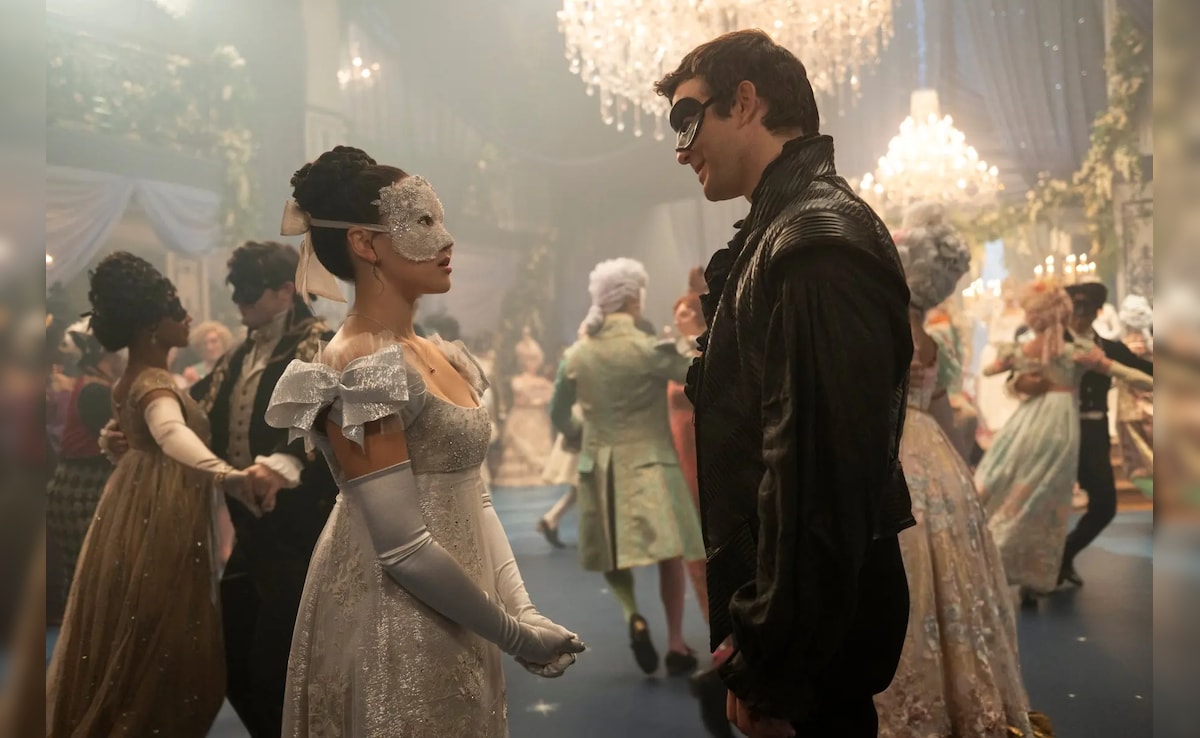
The catalyst for Benedict’s profound shift arrives in a manner as theatrically exquisite as the series itself: a lavish masquerade ball hosted by the indomitable Lady Violet Bridgerton. Amidst the swirling silk, glittering masks, and orchestrated flirtations of the ton, Benedict encounters a vision unlike any other: the enigmatic Lady in Silver. Her quiet grace, devoid of the practiced artifice of debutantes, cuts through the superficiality of the gathering. She possesses an unstudied sincerity, a genuine connection that transcends the calculated manoeuvres of the marriage market. Their bond is instant, intimate, and thrillingly incomplete. As the clock strikes midnight, a familiar fairy-tale echo, she vanishes, leaving behind a single glove and a man uncharacteristically undone by her departure.
Indeed, the Cinderella parallels are overtly embraced, yet skillfully subverted. The masked heroine, the midnight escape, the lost token, the relentless search – these classic tropes are present, but the narrative elevates them beyond mere pastiche. The genius of this season lies in its dual perspective. It’s not simply the fantasy of a 'prince' seeking his 'princess'; it is equally the poignant story of a woman acutely aware that such a fantasy cannot, for her, endure in the harsh light of dawn. Sophie Baek, brought to luminous life by Yerin Ha, is no conventional debutante. She is a maid, trapped in the arduous limbo between her noble lineage and the unforgiving reality of servitude, beholden to the household of her late father’s widow, Lady Araminta Gun (Katie Leung). Her presence at the masquerade is an act of profound, quiet rebellion, a single night of borrowed splendor in a life otherwise defined by tireless labour and societal invisibility.
Sophie's compelling nature stems not solely from her beauty or quick wit, but from her deep understanding of the inherent risks. She grasps the perilous stakes of crossing rigid class lines, intimately familiar with what society tolerates and what it cruelly punishes. When she deliberately conceals her identity from Benedict, it is not a coy game, but a desperate act of self-preservation. Their romance, therefore, blossoms not from a simple misunderstanding, but as a tender, complex negotiation between fervent longing and an unyielding reality. The resulting chemistry is less explosive than some of the series’ previous pairings, opting instead for a simmering, resonant connection built on genuine conversation, shared curiosity, and a mutual sense of being slightly out of sync with the world around them. It's a romance that feels more like a heartfelt waltz than a raging wildfire.
Luke Thompson’s portrayal of Benedict is a masterclass in nuanced vulnerability. The familiar rakish grin remains, but it is now tempered by a raw emotional honesty. His confession of feeling like an “imposter” in his own privileged world recontextualizes his previous detachment not as arrogance, but as a profound sense of displacement. As the ‘Number Two’ in a family defined by strict hierarchy, Benedict has always been acutely aware of his superfluity. His profound attraction to Sophie is therefore as much about finding recognition as it is about desire; she sees him for who he is, a man unburdened by expectation, rather than defined by his title or family name.
Visually, Bridgerton remains unapologetically indulgent. The production design is as sumptuous as ever, with the masquerade sequence standing as a breathtaking triumph of visual storytelling. The camera gracefully glides between the dazzling opulence of the upstairs ballrooms and, for the first time in a truly meaningful way, the industrious bustle of the downstairs world. The series lingers on the often-unseen machinery beneath the glitter: the dedicated maids, diligent footmen, and tireless housekeepers who transform fantasy into reality. This striking tonal contrast between the serene elegance of the ballroom and the vibrant frenzy of the kitchens adds a rich, previously unexplored texture to a universe that once felt exclusively gilded.
This courageous expansion into the working class represents perhaps the season’s most significant thematic evolution. Sophie’s poignant storyline compels the show to grapple with profound class inequity in a way that its earlier race-blind casting brilliantly allowed it to navigate. The fairy tale woven is undeniably romantic, but the labour underpinning it is anything but. When the stark consequences of Sophie’s masquerade attendance inevitably unfold, the stakes feel palpably real, grounding the fantastical elements in a compelling social commentary.
Beyond the central romance, the ensemble cast continues to weave its intricate tapestry. Penelope Featherington (Nicola Coughlan) navigates the complexities of her new life as a married woman and her very public identity as Lady Whistledown, her dynamic with Queen Charlotte (Golda Rosheuvel) now shifting into a fascinating dance of negotiation rather than clandestine secrecy. Eloise Bridgerton (Claudia Jessie), ever the defiant intellectual, thoughtfully flirts with the notion of spinsterhood as both a shield and a powerful personal statement. Meanwhile, Francesca Bridgerton (Hannah Dodd) and Lord John Stirling (Victor Alli) confront the quieter, yet equally profound, complexities of early marital life. Even Lady Violet Bridgerton (Ruth Gemmell) gently explores the possibility of romance beyond widowhood, offering a tender counterpoint to her son’s own awakening heart.
While not all subplots carry equal narrative weight, and the season occasionally feels a tad crowded, reluctant to fully relinquish its sprawling cast in favour of a laser-focused love story, the series maintains its undeniable, compulsive watchability. The absence of certain past leads is occasionally felt, and the narrative rhythm sometimes slows under the weight of necessary exposition. Yet, even in its moments of unevenness, Bridgerton Season 4 proves to be a captivating journey.
The central tension of this season lies in the profound question of identity: Who are we when stripped of title, mask, and societal expectation? For Benedict, the answer is destabilizing, forcing him to reconstruct his understanding of himself. For Sophie, it is clarifying, solidifying her unwavering resolve. Their romance transcends mere destiny, evolving into a poignant story of mutual recognition – of choosing to truly see and be seen across the artificial chasms of rank and reputation. This season, while not entirely reinventing the cherished Bridgerton formula, introduces a quiet yet profound maturation. It is less concerned with spectacle for its own sake and more deeply invested in the lasting echoes that linger long after the music of the ball has faded. The first half of Bridgerton Season 4 may not deliver the most incendiary passion of the series, but it offers something arguably more enduring: a love story rooted in profound empathy. It understands that fairy tales, however embellished, resonate deepest when their characters feel real enough to truly bruise. As the season progresses towards its conclusion, one cannot help but eagerly anticipate whether Benedict will bravely step outside the confines of 'good society' or find a revolutionary way to reshape its very foundations. The carriage, undoubtedly, is in motion, and the journey promises to be nothing short of enchanting.
You Might Also Like


More in Entertainment
- "Surbhi Jyoti's Baby Bump Reveal: Fans Melt at 'Walking Love Letter'"
- "Laughter Chefs 3: Bharti, Krushna's Boss Lady Coup Rocks Show"
- "KKK 15 Cast Mystery SOLVED: Bigg Boss Trio Joins Shetty!"
- "Bharti Singh & Haarsh Finally Reveal Son Kaaju's Face"
- The 50: Rajat Dalal passes a derogatory remark against Nehal Chudasama after task; says, “jinko too much attitude hota hai na aison ko toh mai yaha rakhta hu” |
