Australian Open Chief Breaks Silence On Privacy Complaints: "Fine Line"
By NewsDose Team
Updated on January 30, 2026
5 min read
Key takeaways
Australian Open chief Craig Tiley said it was "a fine line" between player promotion and privacy after top stars complained about backstage cameras at the Grand Slam.
The Australian Open has found itself at the center of a burgeoning debate regarding player privacy versus event promotion, following a series of high-profile complaints from top tennis stars. Tournament Director Craig Tiley has now publicly addressed these concerns, acknowledging the crucial need to navigate what he terms a “fine line” between showcasing athletes and respecting their personal moments.
The controversy intensified dramatically after American tennis sensation Coco Gauff was captured on camera in the stadium's private areas, visibly smashing her racquet in frustration following her quarter-final defeat. The footage, which quickly went viral across online platforms, sparked widespread discussion among fans and players alike. Gauff reportedly expressed significant displeasure over the broadcast of what she believed was a private moment intended for personal catharsis.
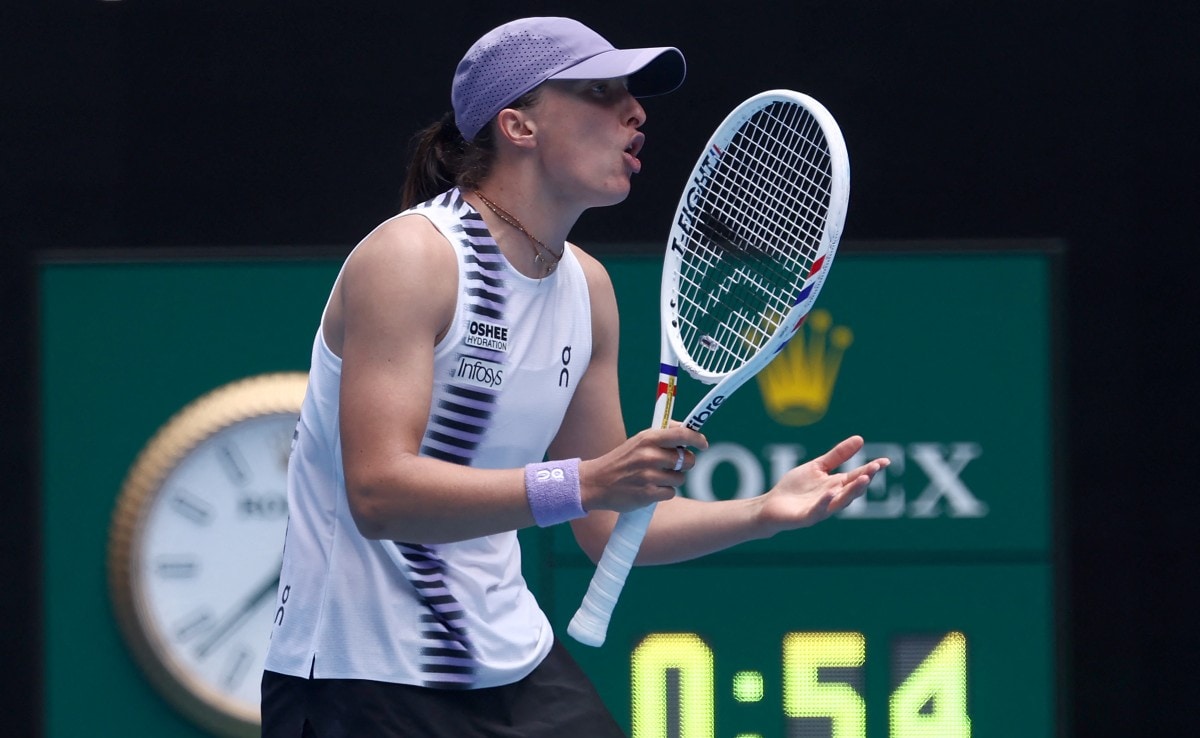
Her sentiments were echoed by several other prominent figures within the sport, including world number two Iga Swiatek, who delivered a particularly striking critique. Swiatek questioned the extent of surveillance, provocatively asking, “The question is, are we tennis players, or are we animals in the zoo where they are observed even when they poop?” Her pointed remarks underscored the deep discomfort many players feel about the perceived invasiveness of backstage cameras.
Speaking for the first time on the contentious issue, Tiley conveyed the tournament's commitment to understanding and responding to player feedback. “We want to listen to the players, we want to really understand what their needs and what their wants are,” he stated, indicating that adjustments would be considered. “We've heard you and whatever adjustments (we) need to make we will make.”
Tiley elaborated on the existing protocols, explaining that while television cameras are present in certain communal areas such as the player gym, strict boundaries are maintained. Crucially, private spaces like the locker room, coaches' rooms, and recovery areas remain off-limits to cameras. He reiterated that the core challenge lies in balancing the desire to bring fans closer to the sport's stars with the imperative to safeguard their personal space and dignity.
“It's a fine line between the player promotion and event promotion and where the cameras are,” Tiley emphasized. He assured that the tournament would continuously review its policies and practices to ensure player comfort. However, he also underscored the inherent value of player visibility in elevating the sport and deepening fan engagement. “At the same time, we also want to bring the fan and the player closer because we believe as tennis players we can really help lift up their value and also the love the fans have for them,” he added.
The Australian Open's leadership faces the delicate task of innovating fan interaction without infringing upon the athletes' rights to privacy. This ongoing dialogue highlights the evolving dynamics of professional sports in an age of ubiquitous media and social sharing, where the pursuit of engagement must constantly be weighed against the personal boundaries of its biggest stars. The tournament's approach in addressing these concerns will undoubtedly set a precedent for future Grand Slams and major sporting events worldwide.
You Might Also Like

More in Entertainment
- "Surbhi Jyoti's Baby Bump Reveal: Fans Melt at 'Walking Love Letter'"
- "Laughter Chefs 3: Bharti, Krushna's Boss Lady Coup Rocks Show"
- "KKK 15 Cast Mystery SOLVED: Bigg Boss Trio Joins Shetty!"
- "Bharti Singh & Haarsh Finally Reveal Son Kaaju's Face"
- The 50: Rajat Dalal passes a derogatory remark against Nehal Chudasama after task; says, “jinko too much attitude hota hai na aison ko toh mai yaha rakhta hu” |
