Why Arijit Singh Quit Playback Singing At The Peak Of His Career
By NewsDose Team
Updated on January 28, 2026
5 min read
Key takeaways
Arijit Singh broke several hearts when he informed fans about his decision to retire from playback singing
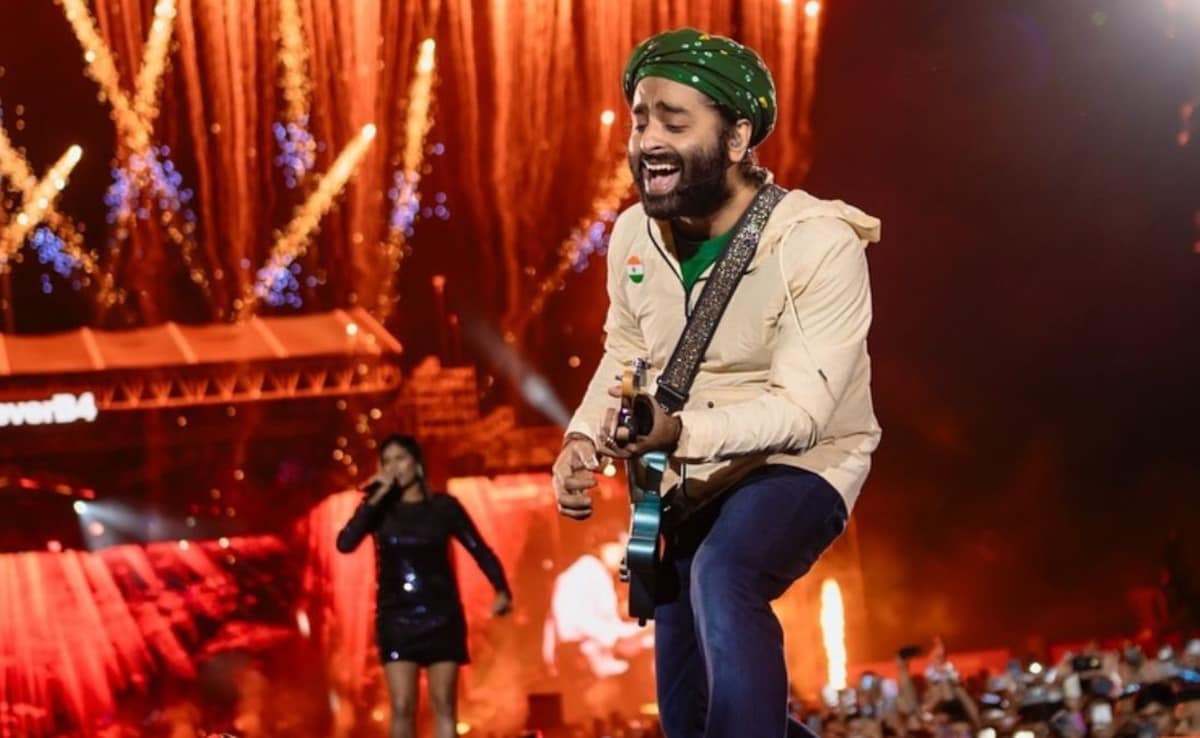
The Indian music landscape was rocked by an unexpected announcement earlier this year when acclaimed singer Arijit Singh declared his retirement from playback singing. The news, delivered via a social media post, sent shockwaves through his vast fan base and the music industry at large, leaving many to ponder the future of film music without his iconic voice.
Singh, a recipient of multiple National Awards, chose a seemingly celebratory moment – the New Year – to share his heartbreaking decision. His Instagram message, while wishing well to his followers, subtly revealed his intention to step back from active vocal duties in films, effectively drawing a curtain on an illustrious chapter of his career.
This revelation came just days after the release of 'Maatrubhumi,' a highly anticipated track from the Salman Khan-starrer Battle of Galwan, which featured Singh alongside veteran singer Shreya Ghoshal. The timing only intensified the surprise and speculation surrounding his sudden departure.
Why the Sudden Exit? Unpacking Arijit Singh's Decision
For many, Arijit Singh's decision to quit playback singing appeared abrupt and baffling. However, for those closely acquainted with the artist, this move, while significant, was perhaps not entirely unforeseen. Social media platforms quickly became a hotbed of discussion, with screenshots purportedly from his private X (formerly Twitter) account circulating widely, offering a glimpse into the deeper reasons behind his choice.
In these circulating posts, Singh elaborated on his rationale, stating, "There is not one reason behind this, there are several reasons plus I have been trying to do this since a long time. Finally I have gathered the right courage. One of the reasons were simple, I get bored pretty quick, thats why I keep changing arrangements of the same songs and perform them on stage. So here is the thing, I got bored." This candid admission paints a picture of an artist yearning for new challenges and greater creative freedom.
A Journey Through Melody: Arijit Singh's Illustrious Career
To fully grasp the gravity of Singh's decision, one must look back at his remarkable journey in the music industry. His career began modestly, as a contestant on the 2005 reality show Fame Gurukul, where he was eliminated before the grand finale. Undeterred, he made his playback debut in 2010 with the Telugu film Kedi. His entry into the Hindi film industry came a year later with the memorable track 'Phir Mohabbat Karne Chala Hai Dil' from Murder 2, a duet with Mohammed Irfan.
However, it was his groundbreaking work in the 2013 romantic drama Aashiqui 2 that cemented his status as a leading voice in Indian cinema. Songs like 'Tum Hi Ho' became anthems, defining a new era of romantic ballads and establishing Singh as the voice of a generation. Over the past 15 years, he has lent his soulful voice to an astonishing repertoire of over 800 songs, encompassing both film tracks and independent singles, averaging more than 53 recordings per year – a testament to his prolific output and widespread demand. Beyond singing, Singh has also ventured into music composition, contributing to films such as Pagglait.
His career has also been characterized by a relentless schedule of live shows and tours, captivating audiences across India and internationally. Indeed, it's challenging to recall a single year in the past decade and a half where Arijit Singh's distinctive voice wasn't a prominent feature in the musical landscape. In an era where countless singers emerge from reality shows and digital platforms, Singh's unparalleled individuality and emotional depth have carved an irreplaceable niche in the hearts of millions.
Beyond the Glitz: Arijit Singh's Relationship with the Industry
Arijit Singh's music often conveys a sense of simplicity and profound detachment, qualities that are strikingly mirrored in his personal life. Hailing from Murshidabad, West Bengal, far removed from the bustling glamour of Mumbai, Singh has always maintained a measured distance from the celebrity circuit. His media appearances and interviews have been notably infrequent, preferring the quiet solitude of his Murshidabad studio for recording most of his tracks. He would typically travel to Mumbai only when absolutely necessary, or for his extensive concert tours. This focused and somewhat insular world has been his sanctuary.
Sources close to the artist suggest that Singh has experienced the pinnacle of professional success, fame, and financial rewards. Yet, after 15 years of continuous, demanding work, any artist can experience a profound sense of exhaustion and creative stagnation. The world of film music often comes with inherent constraints imposed by producers, directors, narrative demands, and commercial market pressures. These limitations can sometimes stifle an artist's personal creative vision, preventing them from exploring avenues of their own choosing. In such circumstances, a desire to break free and chart one's own artistic course can become overwhelmingly strong.
It appears this desire resonated deeply with Arijit Singh. His retirement from playback singing is not a renunciation of music itself, but rather a strategic withdrawal from the film industry's specific demands. This move signifies a conscious decision to create music on his own terms, exploring genres and expressions not confined solely to cinematic narratives. It's a pivot towards greater artistic autonomy.
Arijit Singh's Official Statement and the Road Ahead
In his concise yet impactful social media announcement, Arijit Singh conveyed, "Hello. Happy New Year to all. I want to thank you all for giving me so much love all these years as listeners. I am happy to announce that I am not going to take any new assignments as a playback vocalist from now on. I am calling it quits. It was a wonderful journey."
While his legion of admirers grapples with the initial shock, a significant segment of his fan base harbors the belief that this is far from the end. They interpret his decision not as a farewell to music, but as the dawn of a new, perhaps even more exciting, chapter. Many speculate that this shift will allow him to delve into independent music projects, collaborate with diverse artists, and explore different facets of his musical genius, potentially enriching the independent music scene in India. The ultimate answers to these speculations, however, rest solely with Arijit Singh, who will undoubtedly share his future plans in his own distinctive voice, a voice that continues to resonate with millions worldwide.
You Might Also Like


More in Entertainment
- "Surbhi Jyoti's Baby Bump Reveal: Fans Melt at 'Walking Love Letter'"
- "Laughter Chefs 3: Bharti, Krushna's Boss Lady Coup Rocks Show"
- "KKK 15 Cast Mystery SOLVED: Bigg Boss Trio Joins Shetty!"
- "Bharti Singh & Haarsh Finally Reveal Son Kaaju's Face"
- The 50: Rajat Dalal passes a derogatory remark against Nehal Chudasama after task; says, “jinko too much attitude hota hai na aison ko toh mai yaha rakhta hu” |
