नीरजा मोदी स्कूल मामले में CBSE ने 170 पेज का जवाब HC में किया पेश, अमायरा हो रही थी बुलिंग का शिकार
By NewsDose Team
Updated on January 30, 2026
5 min read
Key takeaways
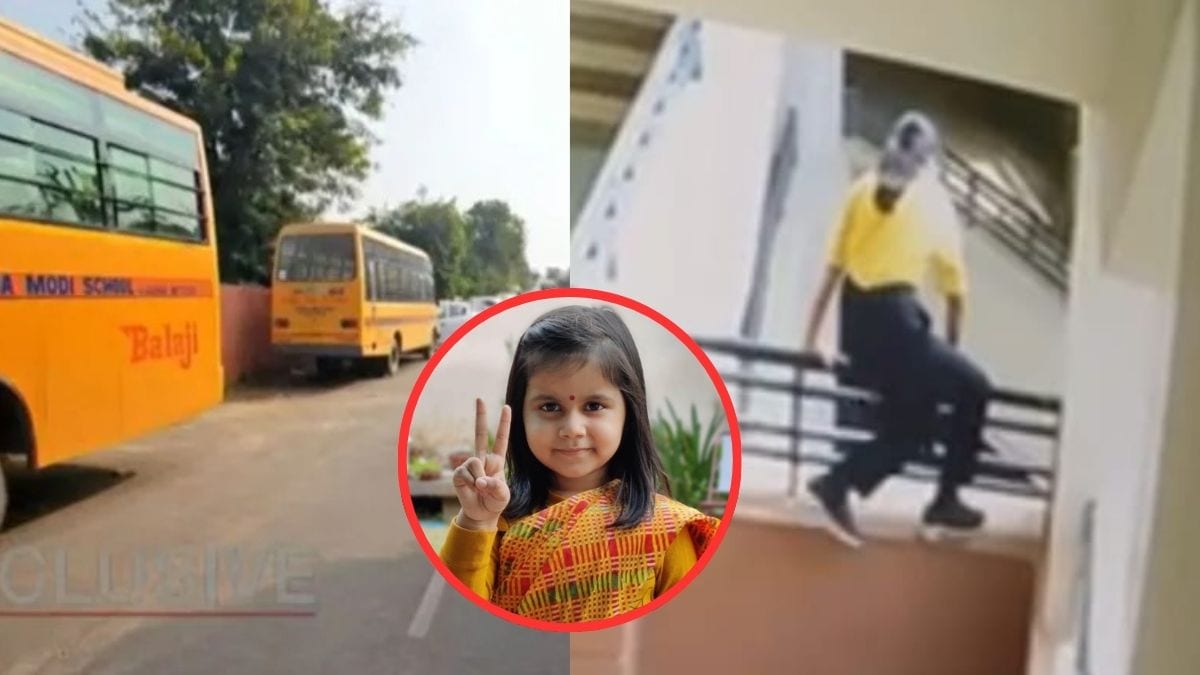
Jaipur News: सीबीएसई के वकील एमएस राघव ने बताया कि अमायरा की क्लास ग्राउंड फ्लोर पर थी. फिर भी वह बिना रोके चौथी मंजिल पर पहुंच गई. स्कूल में सीसीटीवी कैमरे लगे हैं, लेकिन उनकी लाइव मॉनिटरिंग की कोई व्यवस्था नहीं पाई गई. यदि निगरानी होती तो बच्ची की जान बचाई जा सकती थी.
The Central Board of Secondary Education (CBSE) has presented a comprehensive 170-page response to the Rajasthan High Court, firmly defending its decision to revoke the affiliation of Neerja Modi School in Jaipur. The extensive submission underscores a critical finding: the school's anti-bullying and POSH (Protection of Children from Sexual Offences) committees were merely bureaucratic formalities, existing only on paper without any functional presence within the institution.
This severe operational lapse, the CBSE argued, played a pivotal role in the tragic circumstances surrounding the suicide of Amayra, a nine-year-old student from Class 4. Disturbingly, Amayra had reportedly endured persistent bullying for over 18 months. Despite her family lodging four separate complaints with the school administration, the inert committees ensured that no meaningful action was taken to address her distress or protect her from her tormentors.
The devastating incident occurred on November 1, 2025, when Amayra tragically jumped from the fourth floor of the school building. The CBSE has categorized this event as a grave violation of fundamental student safety standards, asserting that an environment so demonstrably unsafe cannot be permitted to operate and educate children.
Unsettling Lapses in Vigilance and Safety Protocols
In its detailed court submission, the CBSE, represented by counsel M.S. Raghav, highlighted several alarming security and surveillance failures that contributed directly to the tragedy. It was revealed that Amayra, whose regular classroom was situated on the ground floor, was able to access the fourth floor unhindered, raising serious questions about supervision.
- Lack of Active Monitoring: While CCTV cameras were installed throughout the premises, the investigation found a complete absence of live monitoring systems. This critical oversight meant that potential threats or student distress, like Amayra's unaccompanied ascent to an upper floor, went unnoticed. "Had proper vigilance been in place, the child’s life could have been saved," Raghav emphasized.
- Delayed Response: A two-member inquiry committee was only constituted a full two days after the incident, further delaying critical information gathering and response. The committee’s subsequent inspection involved interactions with school staff and Amayra's family, leading to the issuance of a show-cause notice to the school on November 20, granting them one month to respond. The school's reply was deemed unsatisfactory, culminating in the revocation of its recognition.
Damning Revelations from the Investigation Report
The CBSE's investigation report unearthed a litany of critical shortcomings, painting a stark picture of institutional negligence:
- Absence of Identification Protocols: Students were not required to wear identity cards, a lapse that critically hampered initial identification efforts. Following the incident, it took an agonizing half-hour to ascertain the identity of the child who had fallen.
- Inadequate Safety Infrastructure: Crucially, there was no safety net installed on the fourth floor, a glaring omission given the height and potential risks.
- Missing Mental Health Support: Despite building bylaws and disaster management guidelines mandating the presence of trained counselors and wellness experts, the school had failed to appoint a qualified professional. This absence is particularly poignant given Amayra's prolonged experience with bullying and the broader context of student mental health challenges.
- Compromised Crime Scene: Shockingly, on the day of the incident, school staff were observed cleaning bloodstains from the site. The school attempted to deflect responsibility by blaming a cleaner, a claim the CBSE vehemently rejected in its report, suggesting an attempt to conceal evidence.
School Challenges Derecognition; Broader Implications for Student Well-being
In response to the CBSE's stringent action, Neerja Modi School has appealed to the Rajasthan High Court, challenging the derecognition. During the previous hearing, the High Court had requested the CBSE to submit its detailed response, which has now been filed.
The CBSE's court submission extends beyond the specifics of this case, drawing attention to a wider, troubling trend of student suicides across Rajasthan and the nation. The board cited alarming statistics, revealing that between 2020 and 2025, 2532 students and young individuals tragically ended their lives in various districts of Rajasthan, including Kota, Jaipur, Jodhpur, and Sikar. Furthermore, the board referenced National Crime Records Bureau (NCRB) data from 2022, indicating that 7.6 percent of all suicides were directly linked to student stress—a statistic that highlights a burgeoning crisis in youth mental health.
The CBSE firmly attributed these alarming figures to the pervasive disregard among educational institutions for crucial mental health guidelines. The board characterized the school's petition as "misleading, fact-hiding, and ignoring alternative legal remedies," urging the court to uphold its decision for the paramount safety and well-being of students.
This case serves as a stark reminder of the profound responsibility schools bear in ensuring not only academic excellence but also the holistic safety, psychological well-being, and protection of every child under their care. The High Court's final decision will undoubtedly set a significant precedent for accountability within the Indian education system, urging institutions nationwide to critically re-evaluate their student safety protocols and mental health support structures.
You Might Also Like

More in India
- "CBSE 10th Result 2026: Mid-April Release Expected Earlier"
- "महावीर जयंती 2026: 10 शिकवणी, शांती-यशाचा मार्ग उघडतील"
- "RBSE Class 12 Results 2026: Check Scores Fast, Avoid Website Crash"
- "Noida Airport: How It Solves Fog Delays & Long Check-In Lines"
- "CBSE 10th, 12th Results 2026: Expect April for Class 10?"