Surat Man Wanted To Withdraw Rs 10,000. ATM Glitch Gave Him Rs 3 Lakh
By NewsDose Team
Updated on March 20, 2026
5 min read
Key takeaways
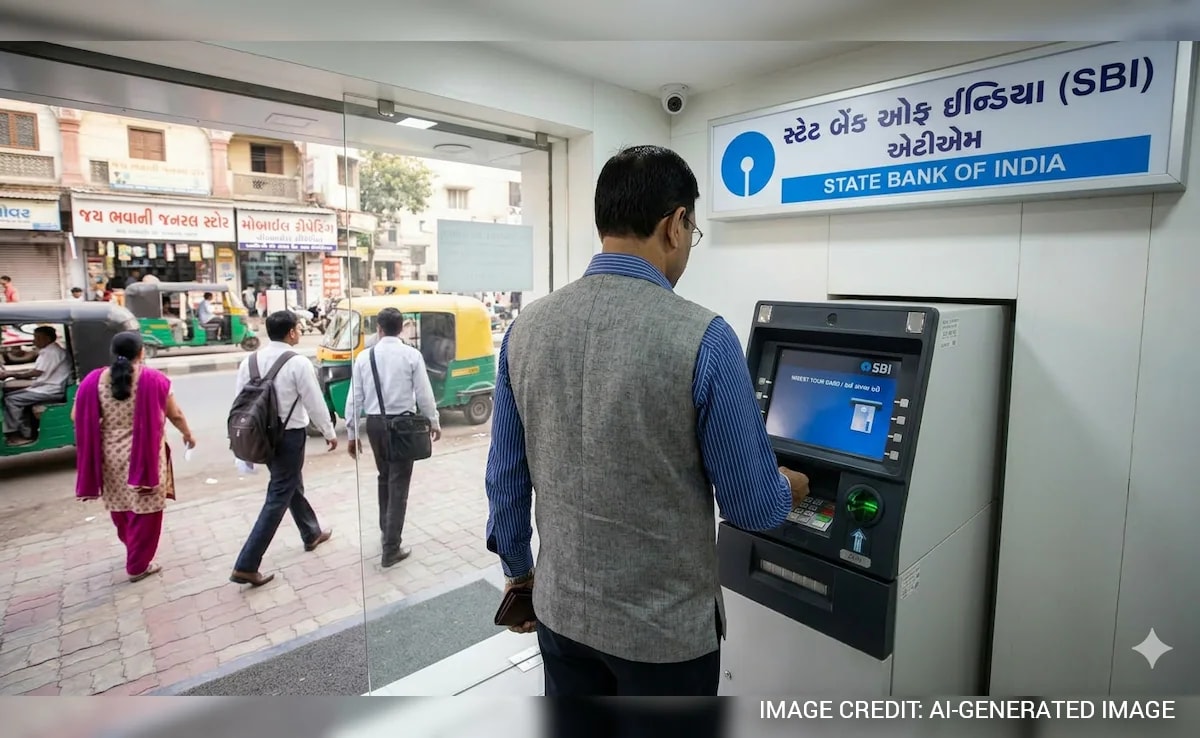
What started as a simple attempt to withdraw Rs 10,000 from an ATM in Gujarat's Surat has turned into one of the costliest cashdispensing errors for a bank in recent times.
What began as a routine attempt to withdraw cash from an automated teller machine (ATM) in Gujarat's Surat in 2017 has escalated into a landmark consumer victory, compelling a prominent bank to disburse a sum nearly 30 times the original amount. This protracted legal battle underscores the critical importance of swift grievance redressal in the banking sector and highlights the power of persistent consumer advocacy.
The incident dates back to February 18, 2017, when a customer in Surat's Udhna area attempted to withdraw ₹10,000 from an ATM operated by a leading public sector bank, State Bank of India (SBI). The transaction, however, took an unexpected turn: the machine failed to dispense any cash and did not provide a transaction receipt. To the customer's dismay, a few moments later, an alert confirmed that ₹10,000 had indeed been debited from his account, despite no physical cash being received.
Immediately, the customer initiated the arduous process of seeking a resolution. On February 21, just days after the incident, he lodged a formal complaint at his own bank, Bank of Baroda's Dumbhal branch. What followed was a frustrating period of inaction and repeated follow-ups. From March to May 2017, the customer diligently sent numerous emails, escalated the matter to regulatory bodies like the Reserve Bank of India (RBI), and even pursued an RTI (Right to Information) request with SBI to obtain crucial CCTV footage of the ATM. Despite these extensive efforts, no satisfactory response or resolution was forthcoming from any authority.
Facing a bureaucratic wall and a significant financial loss, the aggrieved customer finally decided to approach the consumer forum on December 20, 2017. During the proceedings, Bank of Baroda mounted a defense, asserting that the ATM in question belonged to SBI and that their internal records indicated a "successful" transaction, thereby absolving them of responsibility. This argument, however, did not sway the consumer commission.
The commission meticulously reviewed the evidence and dismissed Bank of Baroda's contention, emphasizing the bank's obligation to provide concrete proof to substantiate its claims. Crucially, the commission also referenced standing RBI guidelines, which mandate that any disputed ATM transaction amount should be refunded to the customer within five working days. Bank of Baroda's failure to adhere to this fundamental regulatory requirement became a central point in the ruling.
In a comprehensive final order, the consumer commission delivered a decisive verdict against Bank of Baroda, directing them to:
- Refund the original debited amount of ₹10,000.
- Apply a 9% annual interest rate on the refunded amount from the date of the incident until full payment.
- Pay a daily compensation of ₹100 for the extensive delay in resolving the issue.
By February 26, 2026, the protracted delay had accumulated to a staggering 3,288 days. This extended period pushed the daily compensation component alone to a substantial ₹3,28,800. Beyond these financial restitutions, the commission also mandated additional payments: ₹3,000 for the mental agony and harassment endured by the customer, and ₹2,000 to cover legal expenses incurred during the long-drawn battle for justice.
This ruling serves as a powerful reminder to financial institutions about their accountability and the consequences of failing to provide timely and effective customer service. For consumers, it reinforces the message that persistence in pursuing their rights can lead to significant redressal, even against powerful banking entities. The case sets a notable precedent, emphasizing that banks must not only ensure the integrity of their transaction systems but also uphold their commitment to consumer protection and regulatory compliance, ensuring that such a costly error does not recur.
You Might Also Like

More in India
- "CBSE 10th Result 2026: Mid-April Release Expected Earlier"
- "महावीर जयंती 2026: 10 शिकवणी, शांती-यशाचा मार्ग उघडतील"
- "RBSE Class 12 Results 2026: Check Scores Fast, Avoid Website Crash"
- "Noida Airport: How It Solves Fog Delays & Long Check-In Lines"
- "CBSE 10th, 12th Results 2026: Expect April for Class 10?"